Click on image to open full size.


Louis Le Brocquy, HRHA (1916 - 2012)
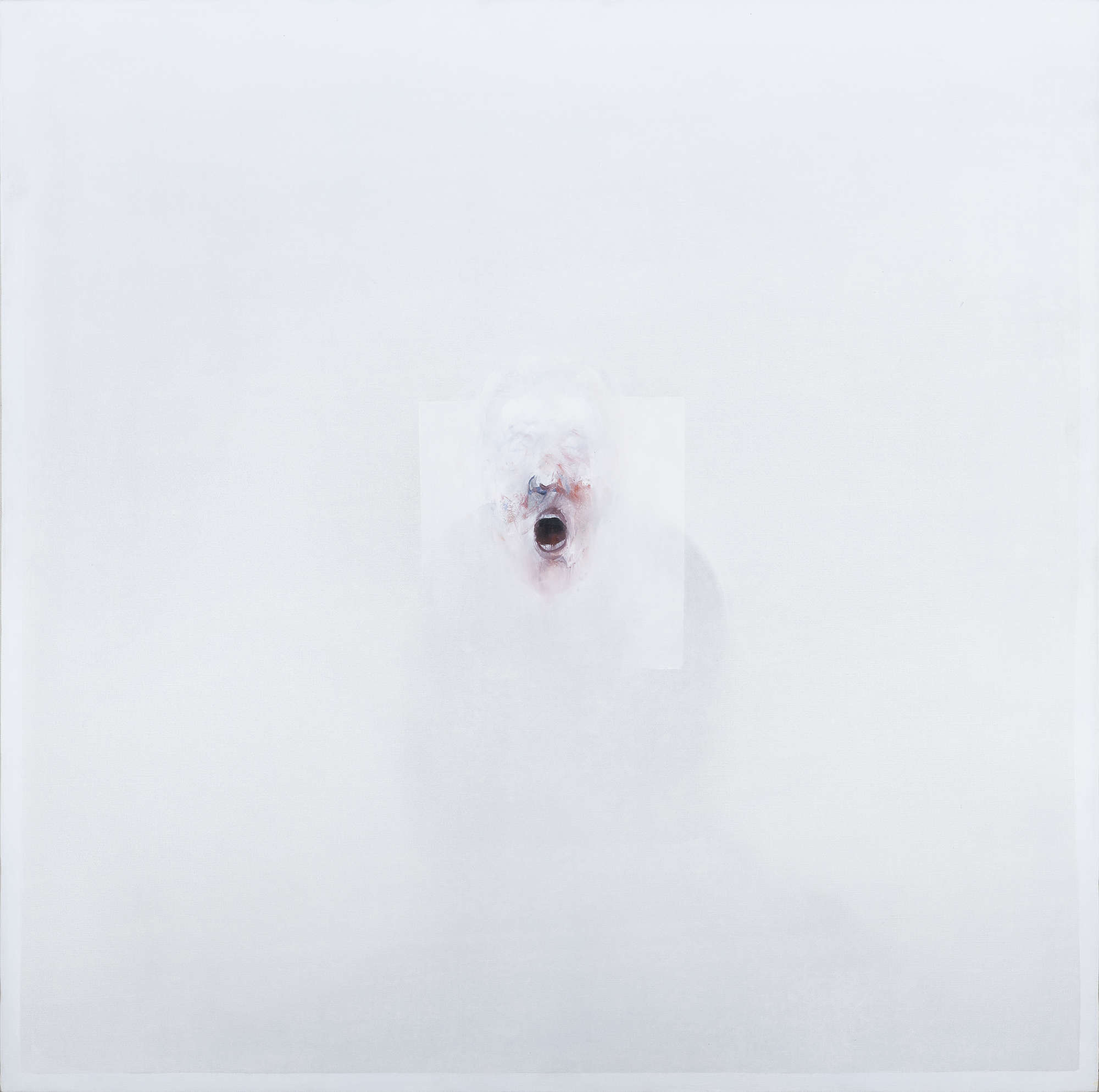
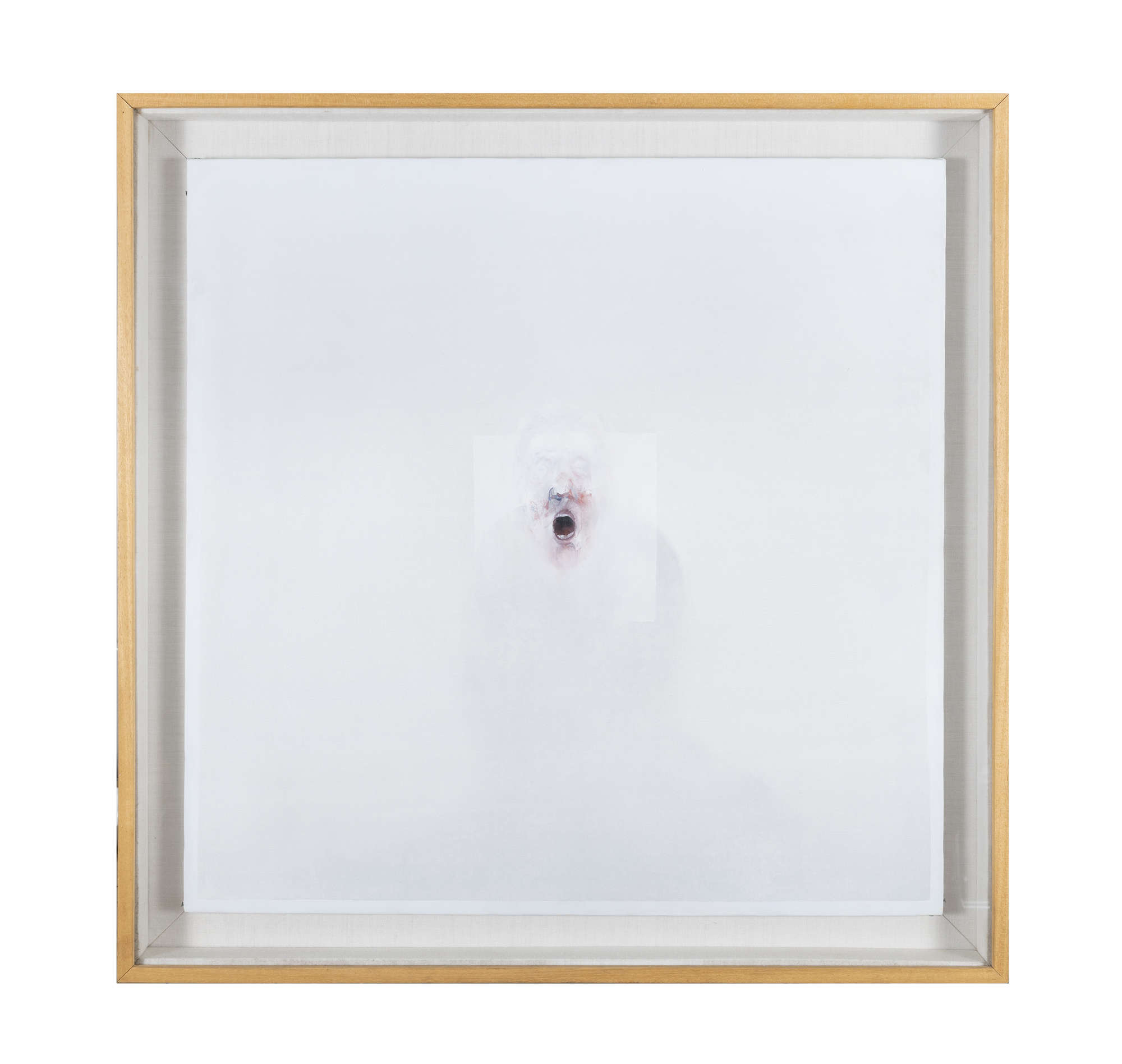
Head (286)
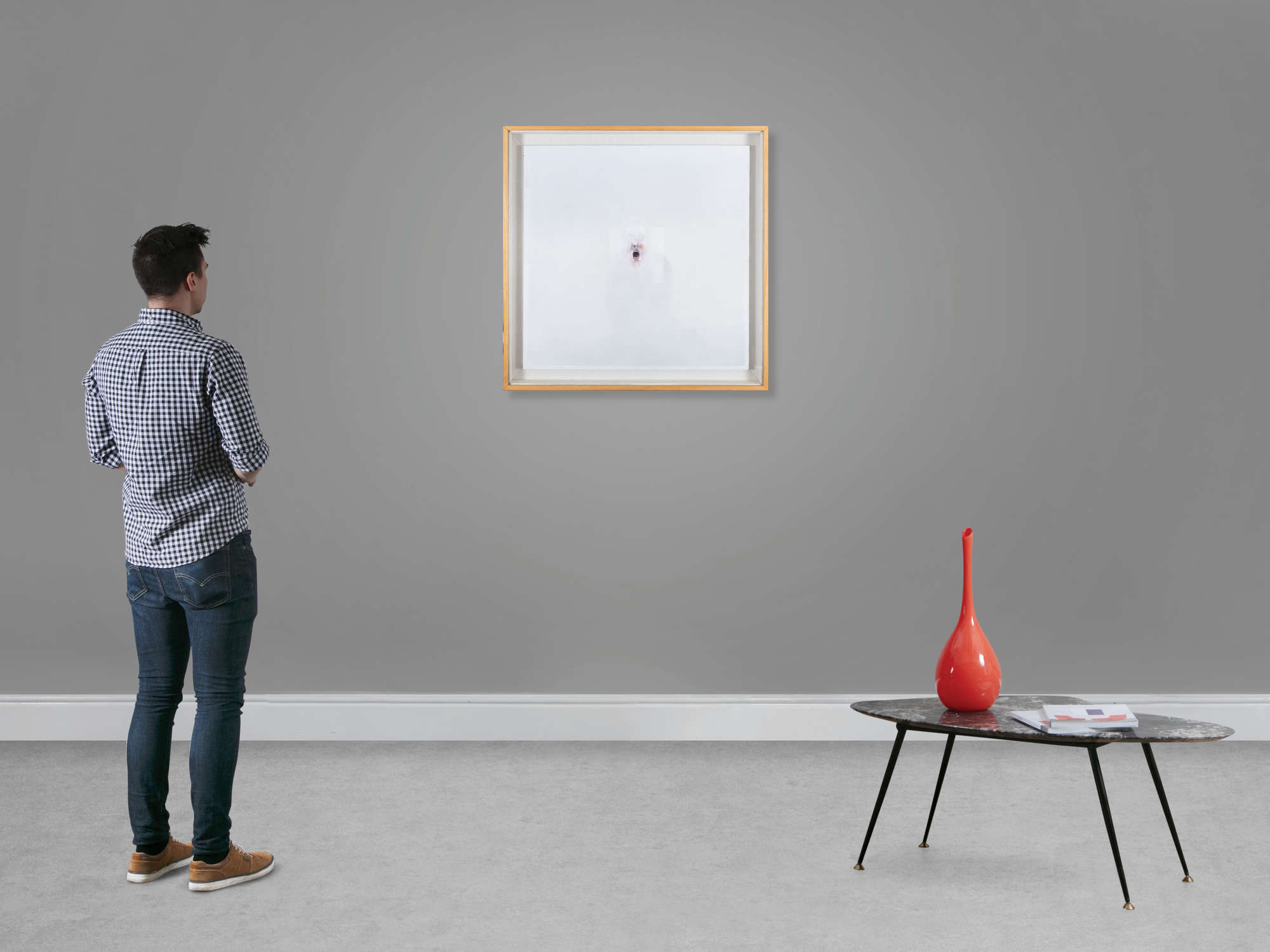
Oil on canvas, 73 x 73cm (28.5 x 28.5")
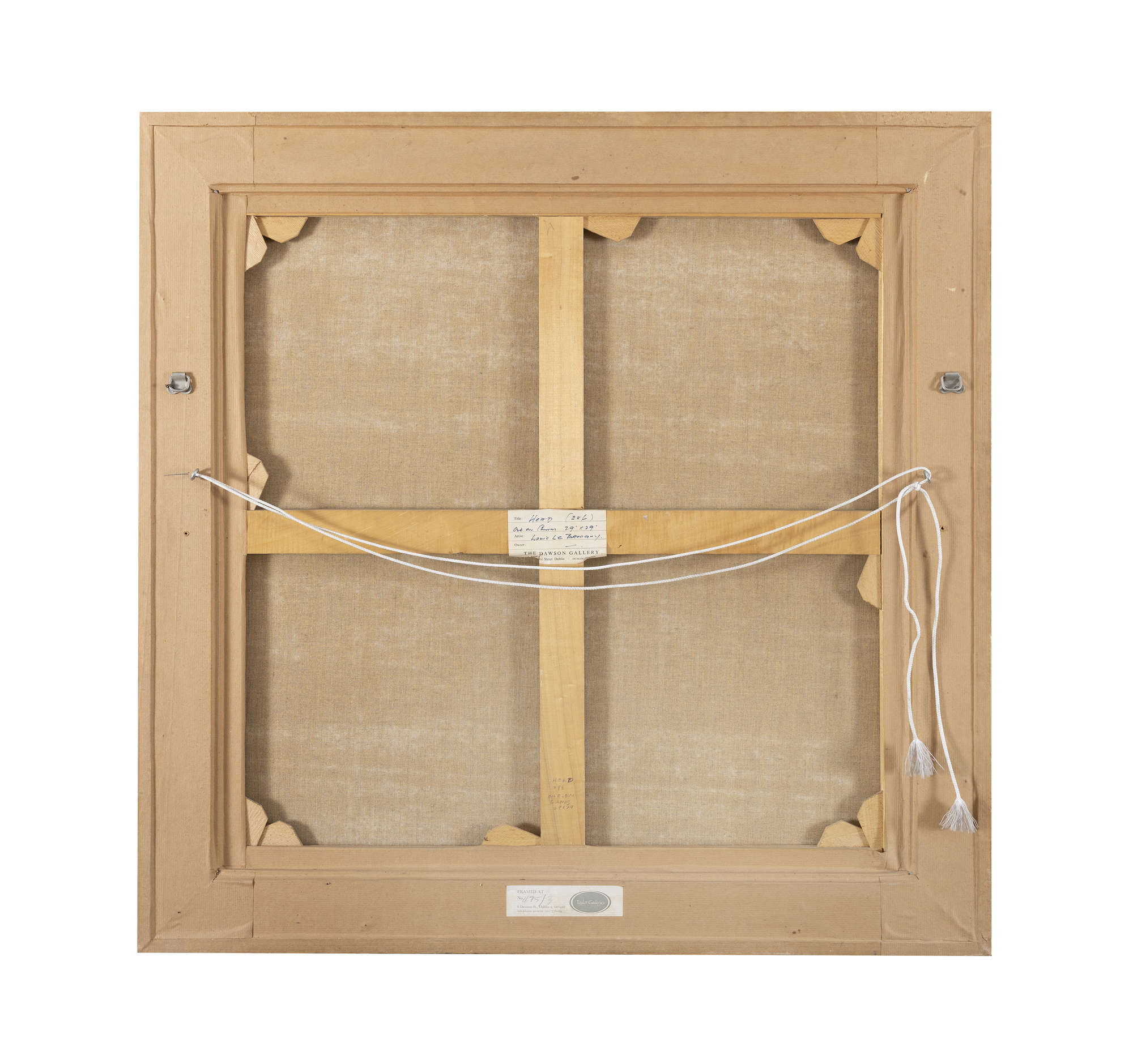
Provenance: With The Dawson Gallery, Dublin, label verso; Private Collection, Dublin
Louis le Brocquy is...
Louis Le Brocquy, HRHA (1916 - 2012)
Head (286)
Oil on canvas, 73 x 73cm (28.5 x 28.5")
Provenance: With The Dawson Gallery, Dublin, label verso; Private Collection, Dublin
Louis le Brocquy is widely recognised as one of the ‘most highly-regarded Irish-born artist[s] in the second half of the twentieth century.’(1) From the late 1940s, he was one of a number of significant artists based in Britain who retained an interest in the human figure at a time when abstraction had become the dominant mode of representation. His departure from illusionistic realism to a stylised approach to figuration ensured his continued relevance to the challenges of Modernism. In London, he became friendly with Irish-born artist Francis Bacon (1909-92), who observed:
‘Le Brocquy belongs to a category of artists who have always existed – obsessed by figuration outside and on the other side of illustration – who are aware of the vast and potent possibilities of inventing ways by which fact and appearance can be reconjugated.’(2)
These words could be applied to the ground-breaking ‘head’ series begun by Le Brocquy in 1964 following a visit to the Musée de l’Homme, the anthropological museum in Paris. Le Brocquy had experienced something of an impasse as a painter and, dissatisfied with his recent efforts, destroyed many of his own artworks. The visit to the Musée, however, provided him with the impetus for a new direction. On witnessing the ritualised Polynesian heads on display, decorated with painted plaster, the artist recognised how prioritising the human head was also significant in Irish cultural history. He Identified a route that would enable him to explore his concept of humanity. As he observed:
‘For me, as perhaps for our Celtic … ancestors, the human head can be regarded ambivalently as a box which holds the spirit prisoner, but which may also free it transparently within the face.’(3)
This observation is revealing in how the artist saw the role of the head, at once containing the human spirit, but also providing a locus of the imagination, as well as a crucial means of communication, including through wordless physical expression.
As the name applied to the Ancestral Heads series suggests, le Brocquy evoked connections through the generations between the present and the distant past. This series comprised anonymised individuals that would, in time, give way to his portrait heads of known creative practitioners, some of whom he knew personally. A common feature of his work, including all of the head series, was to undertake multiple versions on the basis that no one image could capture the range and complexity of any individual. Consequently, even with the anonymised Ancestral Heads, he addressed the theme repeatedly as the concept evolved over time.
Head (286) demonstrates the essential principles evident as the series got under way, enabling the artist to explore dimensions of the human condition. The frontality of the head, emerging from a background of textured pigment – in this case a tone of white – was a common element throughout. The earliest heads appear in subtle tones, like shadows or memories of dreams, almost within grasp, but not quite clear. As the series developed, while the upper part of the face remains shadowy, the nose and mouth take on a more defined form and colour as though emerging from depths in order to come into fuller existence. In this work, as in several carried out at this time, the mouth is shown open wide.
The concentration on the mouth suggests also a familiarity with the work of his friend, the artist Francis Bacon. It is well recognised, however, that Louis le Brocquy’s approach to figuration was distinctly different from that of Bacon. In Head (286), the mouth plays a positive role, seeming to draw breath in order to instil both life itself as well as the condition of humanity in all its subtle frailty. For le Brocquy, elements of the body – like the mouth and hands – were vital human means of communication, through gesture, speech and text.
Louis le Brocquy’s portrait head paintings are subtly exploratory and revealing. They suggest at once the inner life of contemplation and creativity, as well as the capacity to communicate through cultural expression. The Ancestral Heads series which initiated the series explores the idea of the very emergence of humanity.
The words of Seamus Heaney, writing on the artist’s Head series, are relevant to the present Head painting.(4)
‘ … ghostly yet palpable, familiar and other, a historical creature grown ahistorical, an image that has seized hold of the eye and will not let it go.’
Dr Yvonne Scott, January 2023
Obituaries, The Daily Telegraph, 28.4.2012. Just two artists were identified in this source: Louis le Brocquy, and Francis Bacon (1909–92). Francis Bacon, exhibition catalogue, Louis le Brocquy: A Retrospective Selection of Oil Paintings 1939–1966, The Municipal Gallery of Modern Art, Dublin; Ulster Museum, Belfast, 1966, p.1. Quoted in ‘Biographical Note’ https://www.anne-madden.com/LeBPages/biography.html (accessed January 2023) Louis le Brocquy,’Notes on painting and awareness’, in Dorothy Walker, Louis le Brocquy, Ward River Press, Dublin, 1981, p.147. Seamus Heaney, ‘Louis le Brocquy’s Heads’, in Dorothy Walker, Louis le Brocquy, Ward River Press, Dublin, 1981, p.132.
All bids are placed in Euros (€)
Please note that by submitting a bid you are agreeing to our Terms & Conditions


 Have a similar item to sell?
Make Enquiry
Have a similar item to sell?
Make Enquiry