Click on image to open full size.


A CHINESE ORMOLU ENAMEL AND PASTE-SET STRIKING MUSICAL AND AUTOMATON 'DAJI DOUBLE-GOURD' CLOCK,
晚清 广作“祥盛号”铜鎏金嵌宝石转花转水法大吉葫芦钟
China, Canton, late Qing...
A CHINESE ORMOLU ENAMEL AND PASTE-SET STRIKING MUSICAL AND AUTOMATON 'DAJI DOUBLE-GOURD' CLOCK,
晚清 广作“祥盛号”铜鎏金嵌宝石转花转水法大吉葫芦钟
China, Canton, late Qing dynasty, circa 1900, craft by ‘Xiang Sheng Hao’
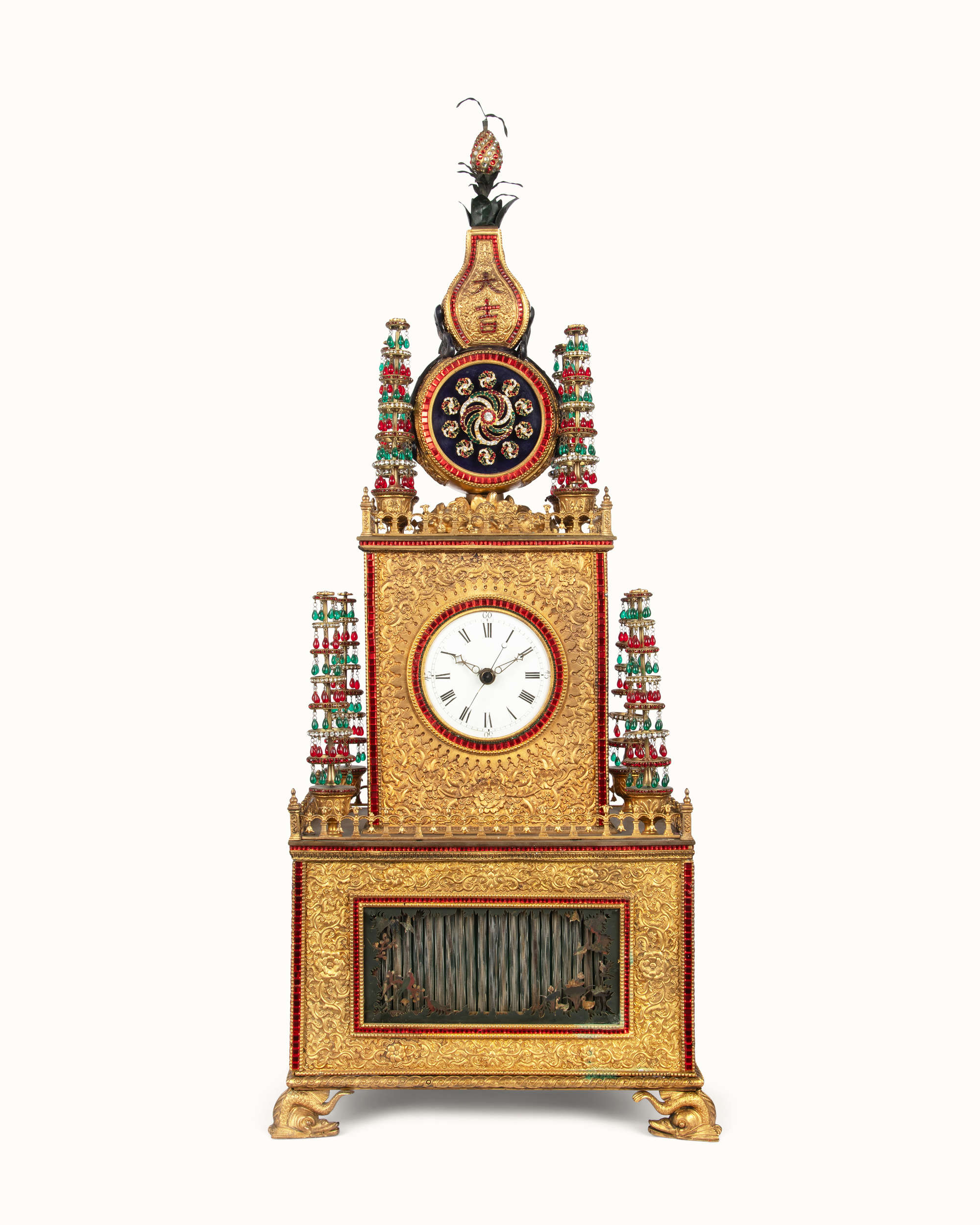
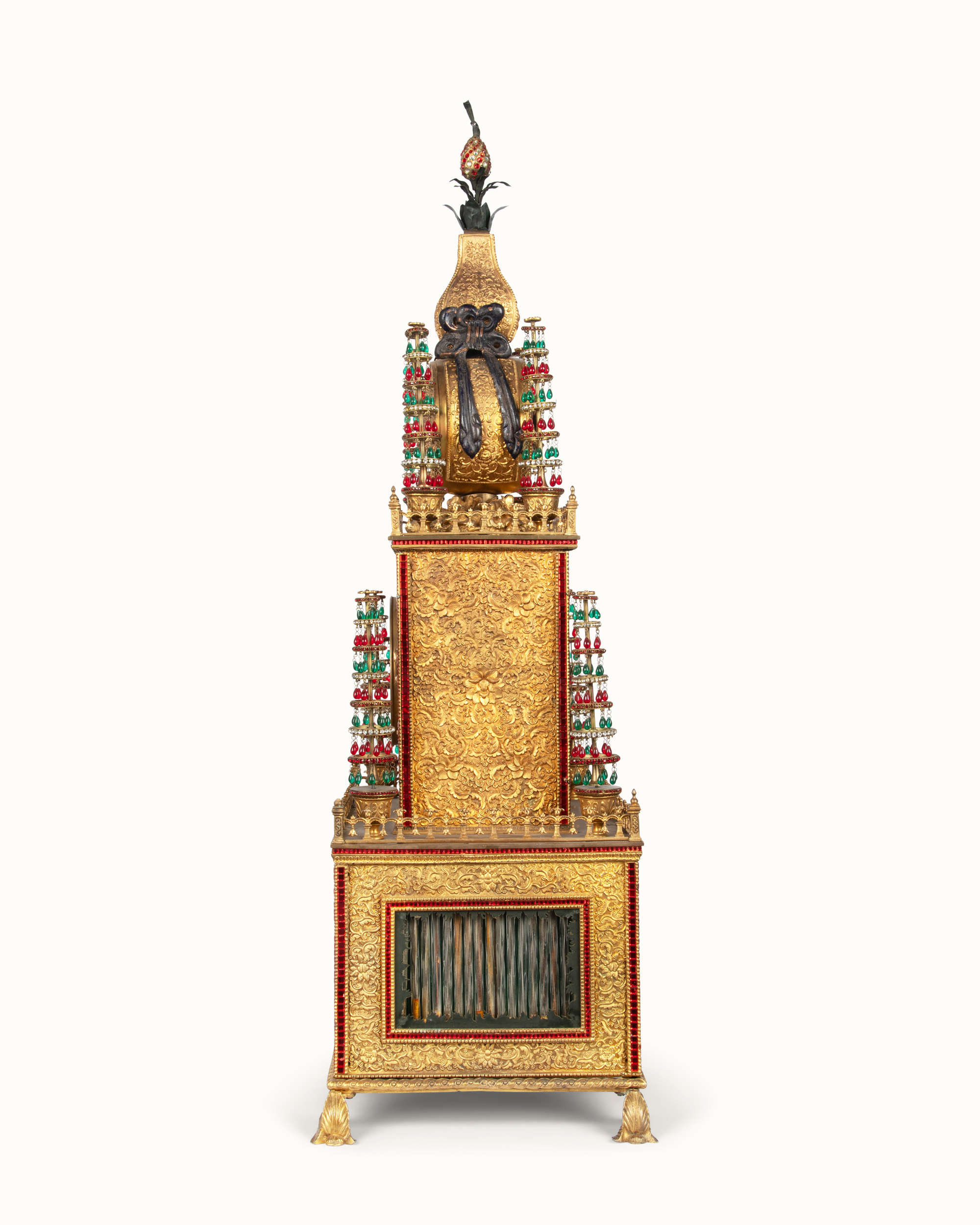
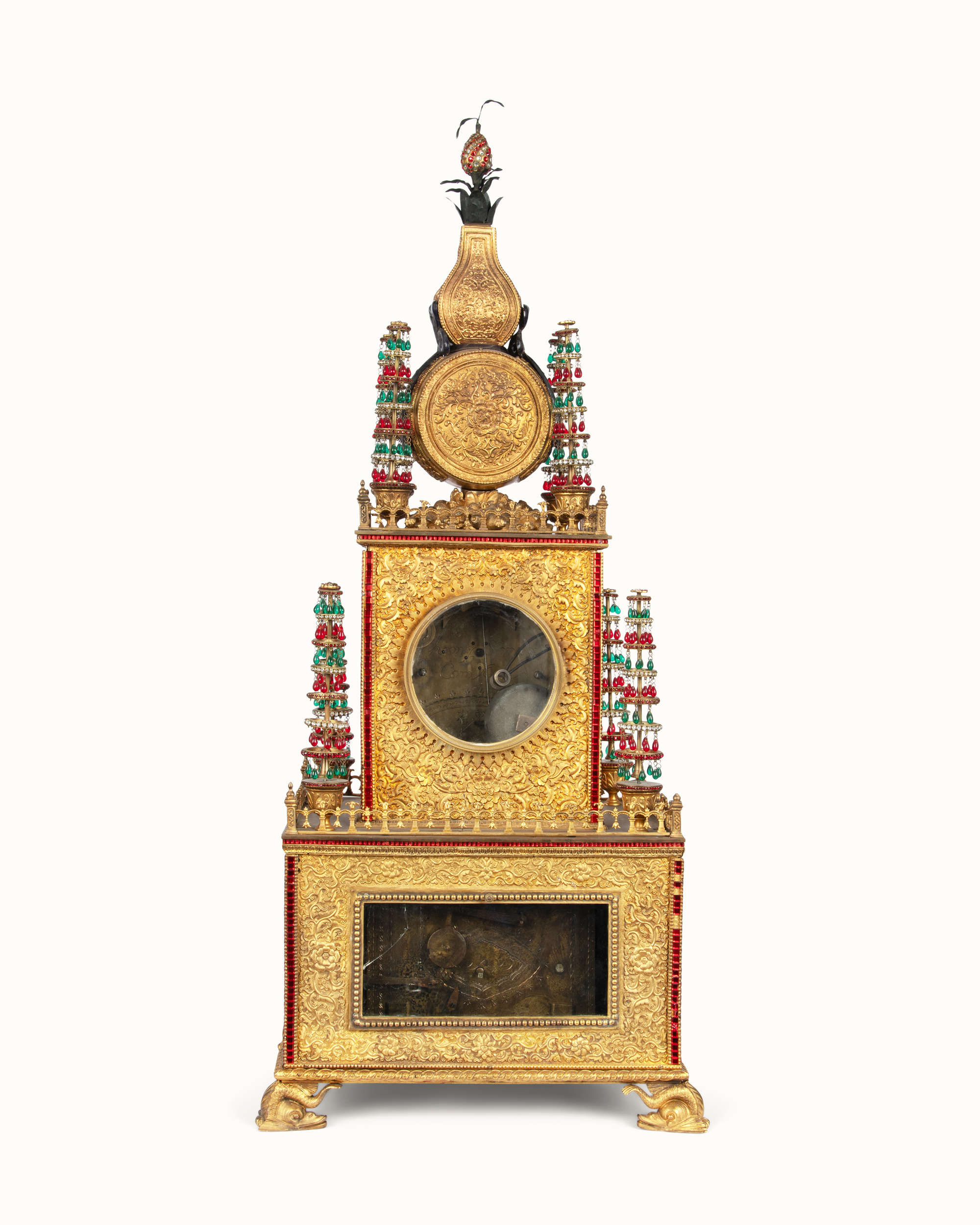
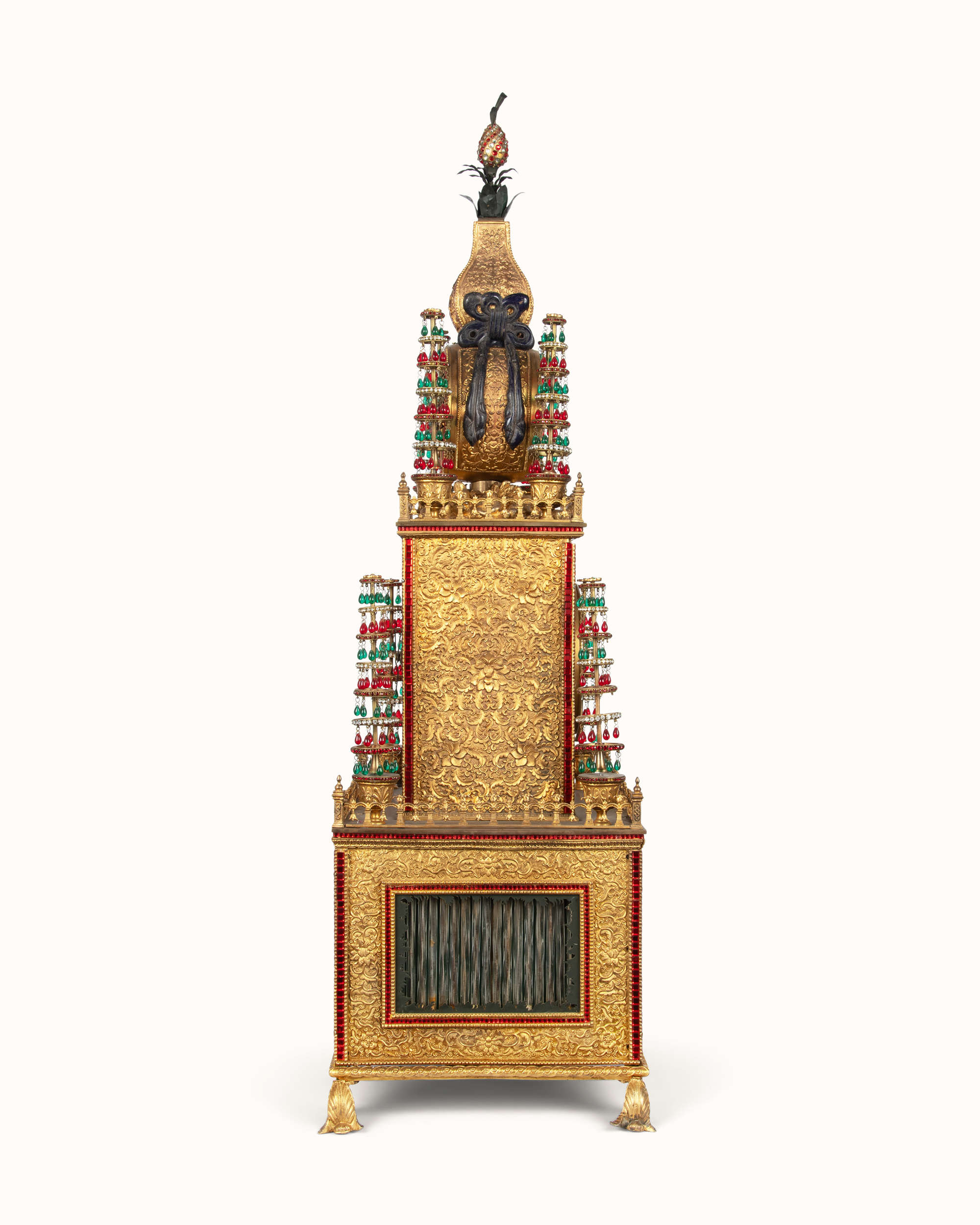
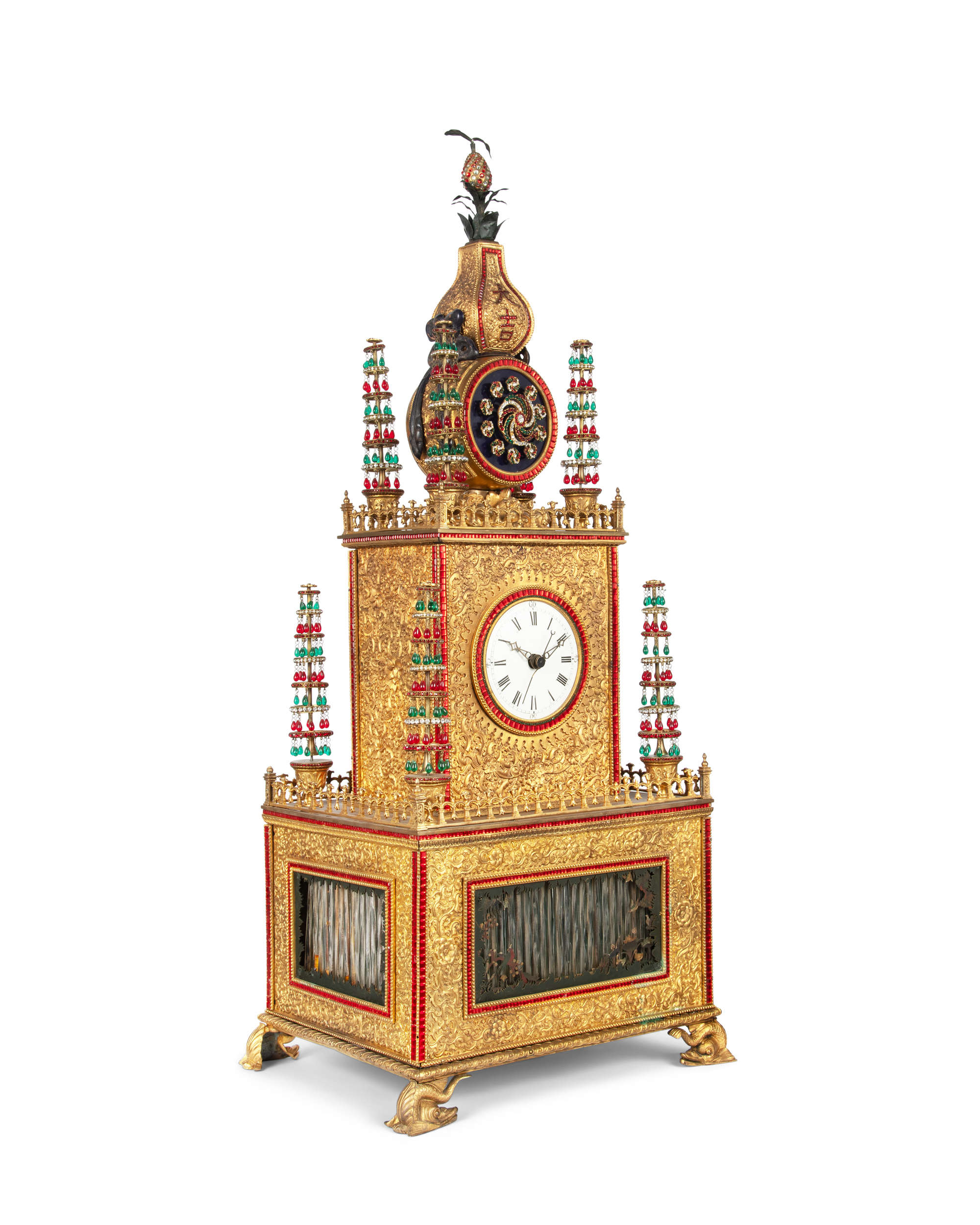
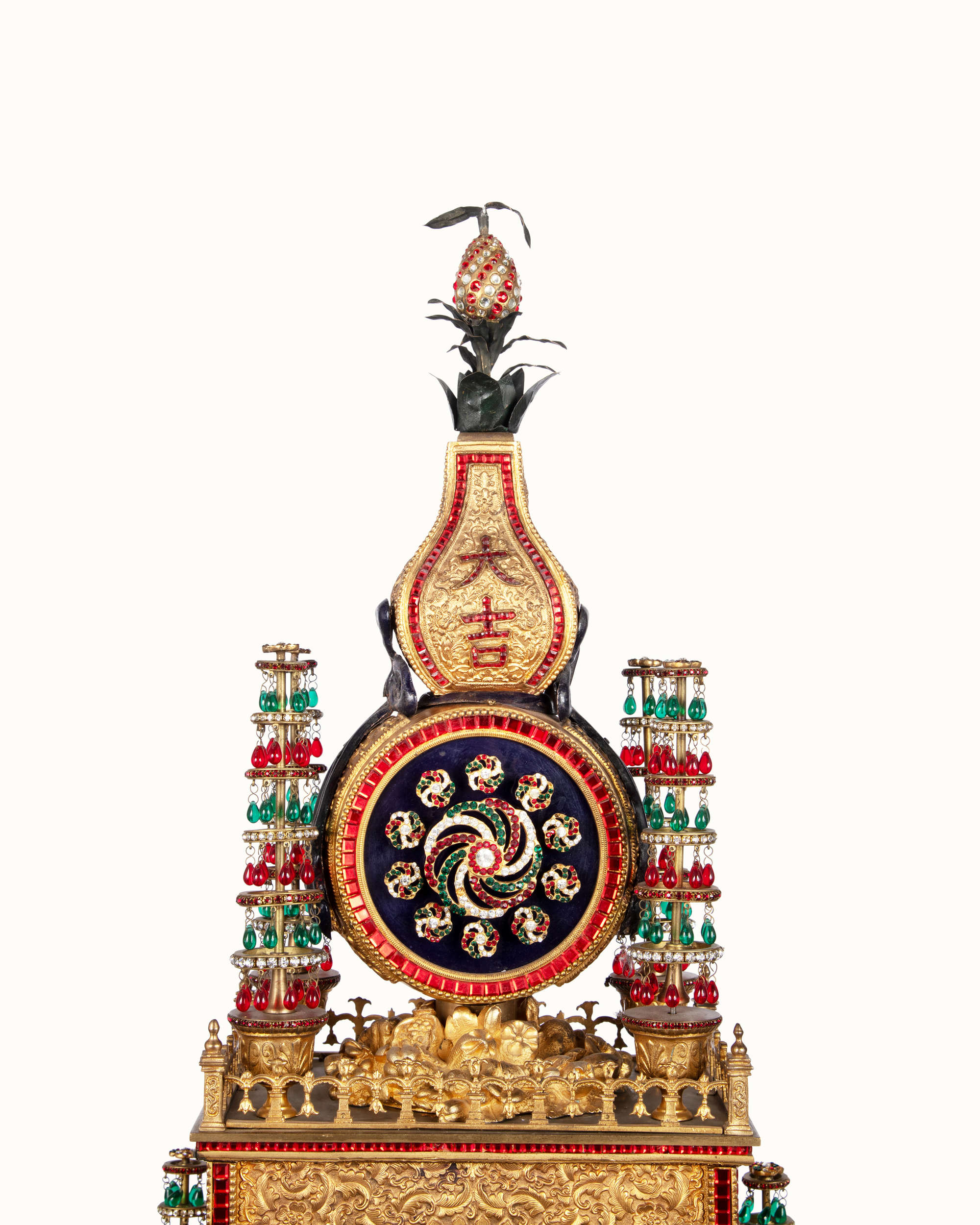
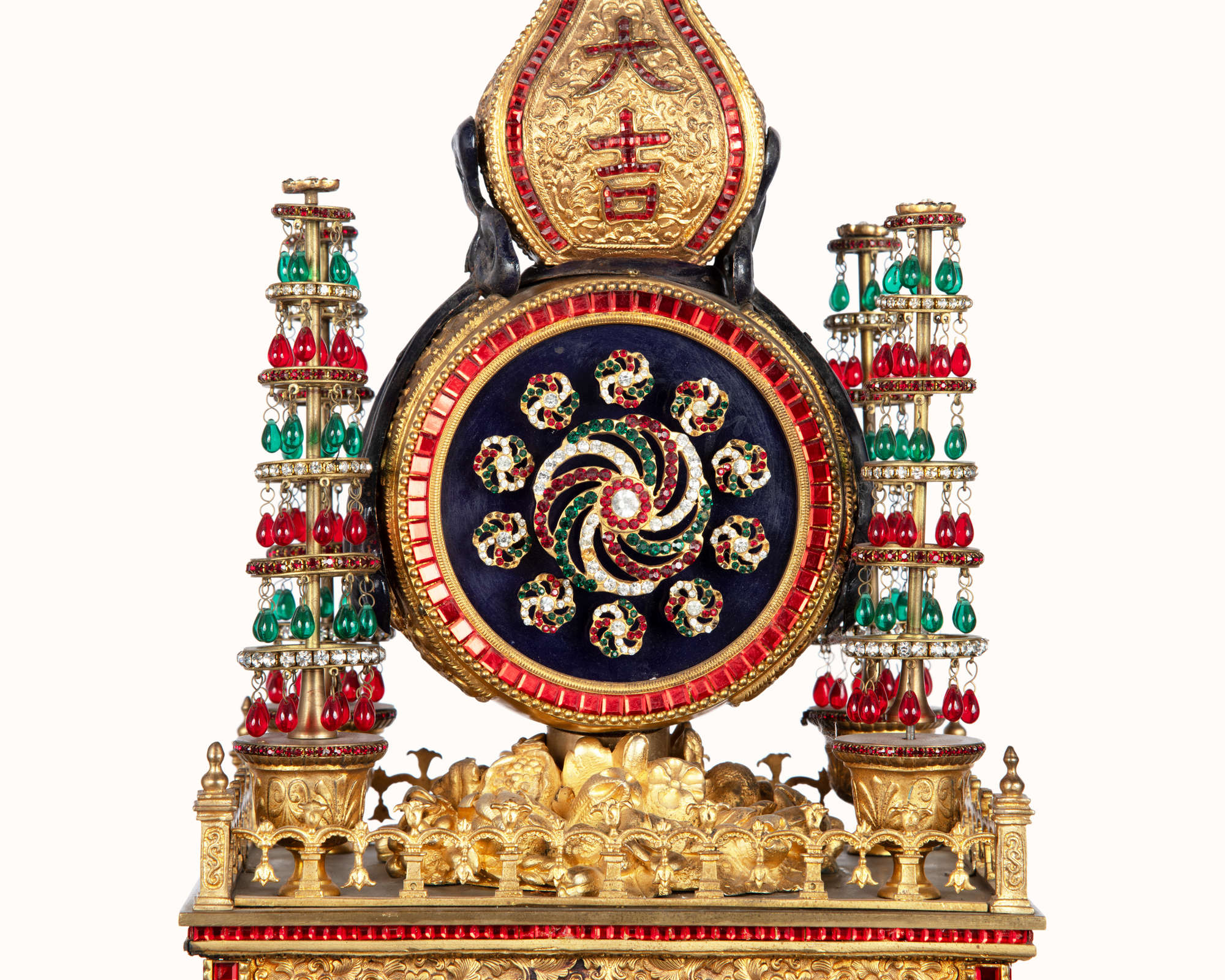
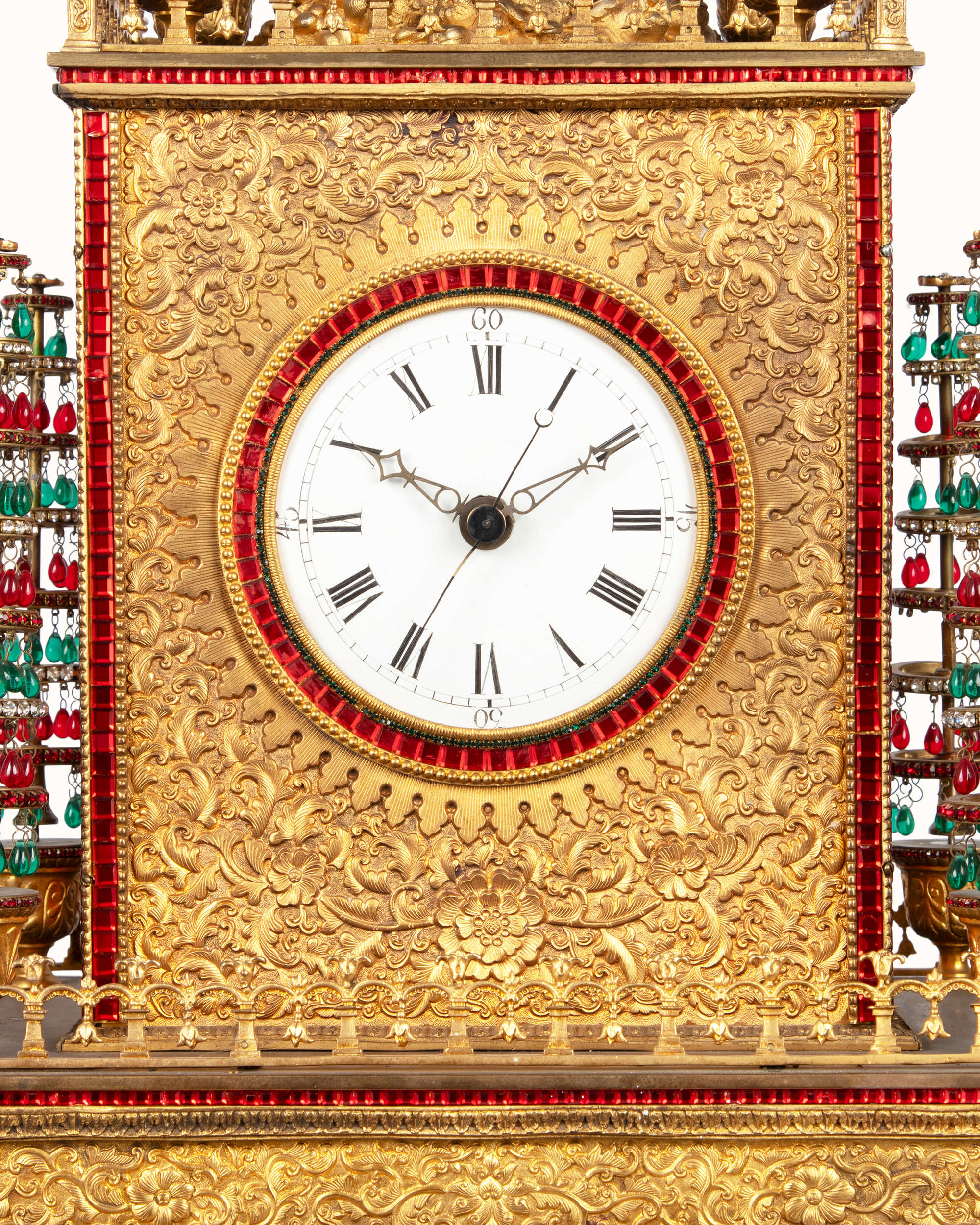
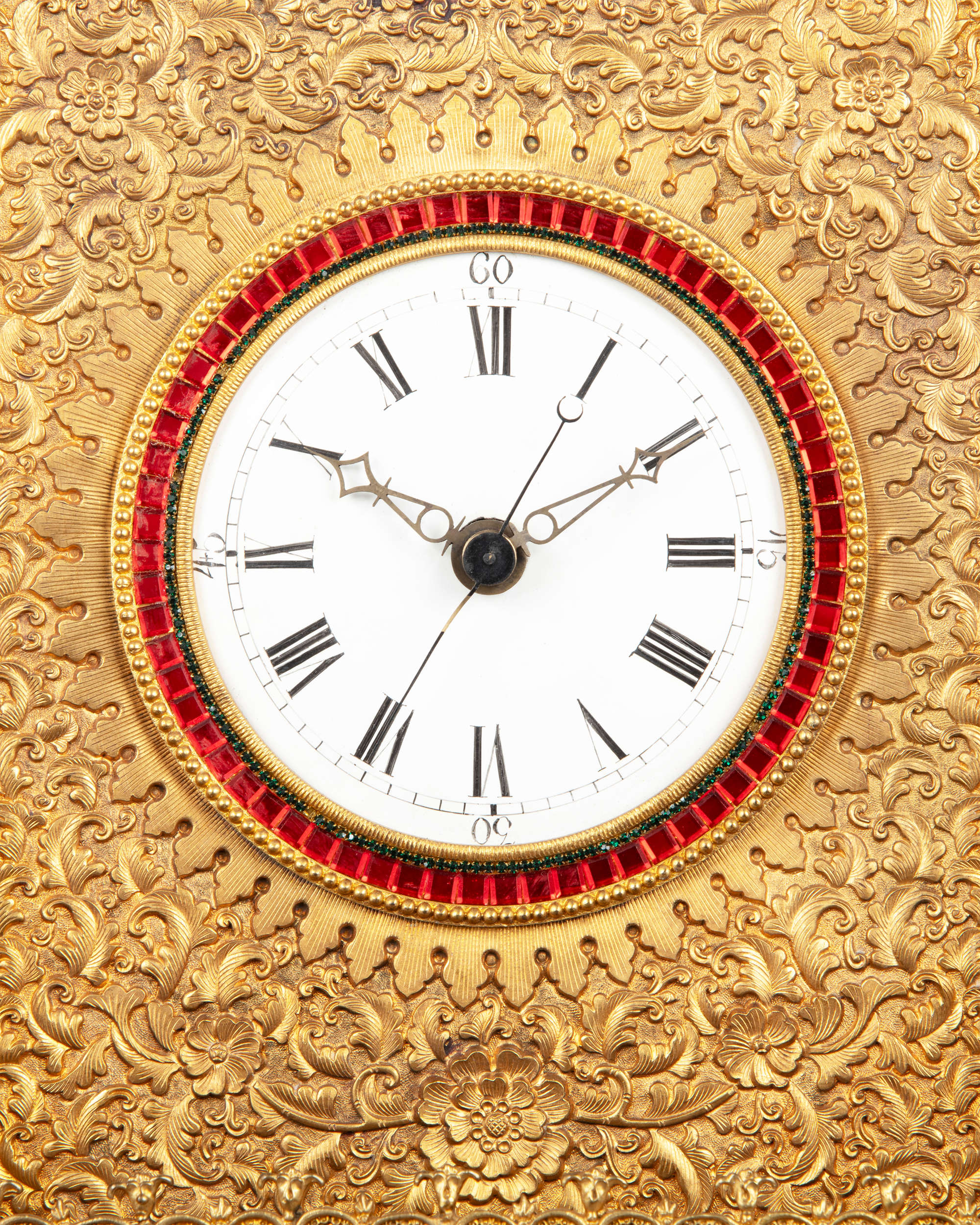
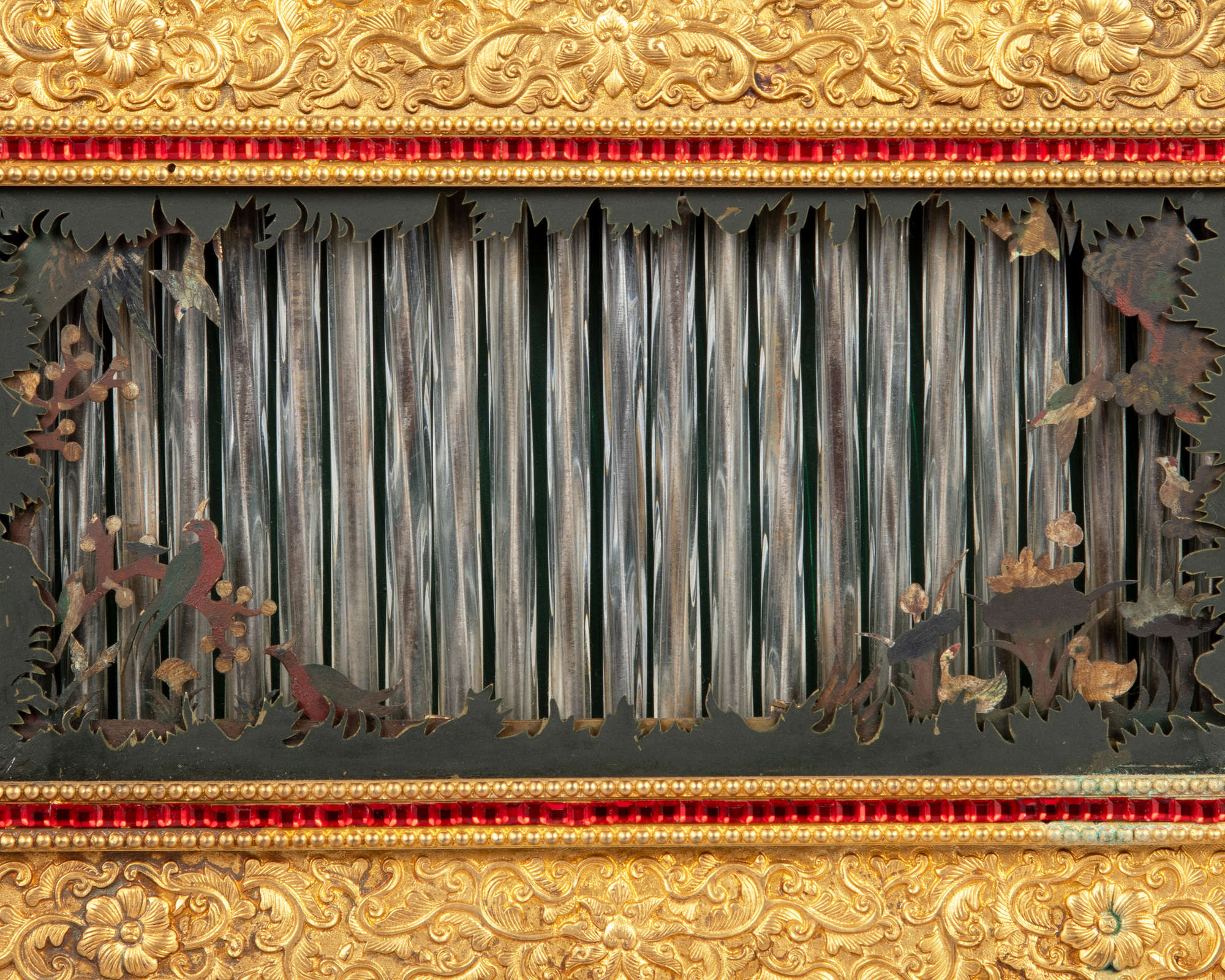
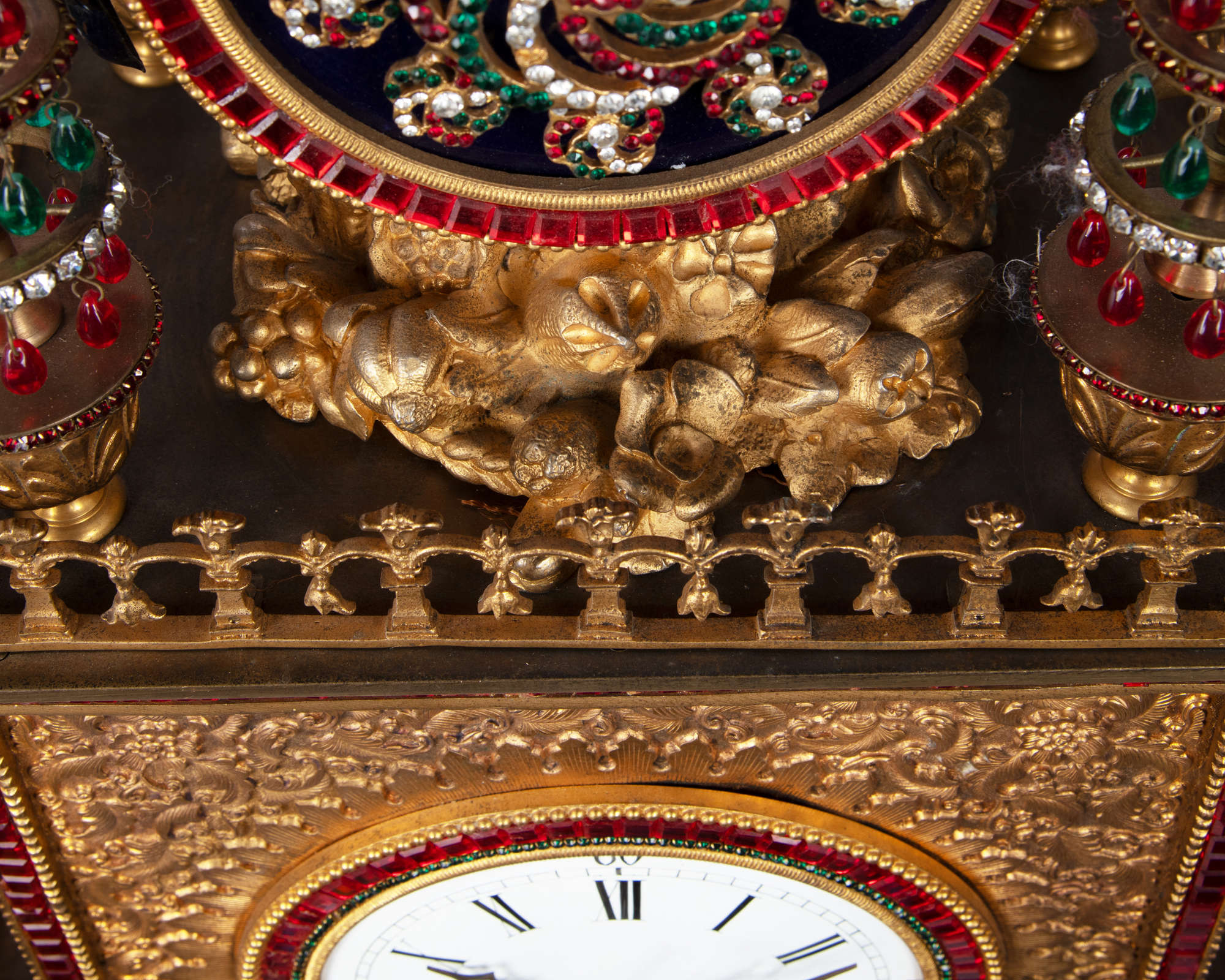
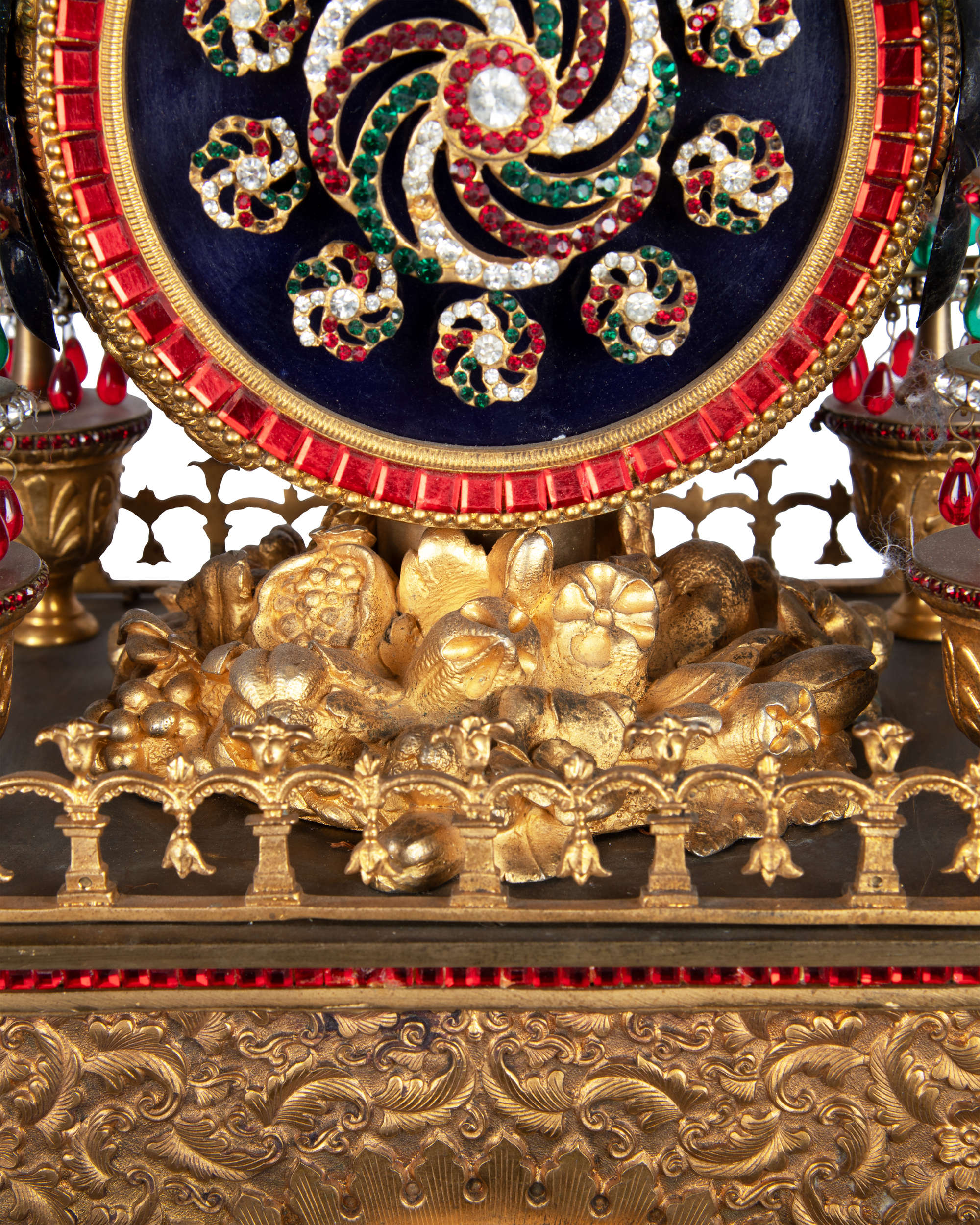
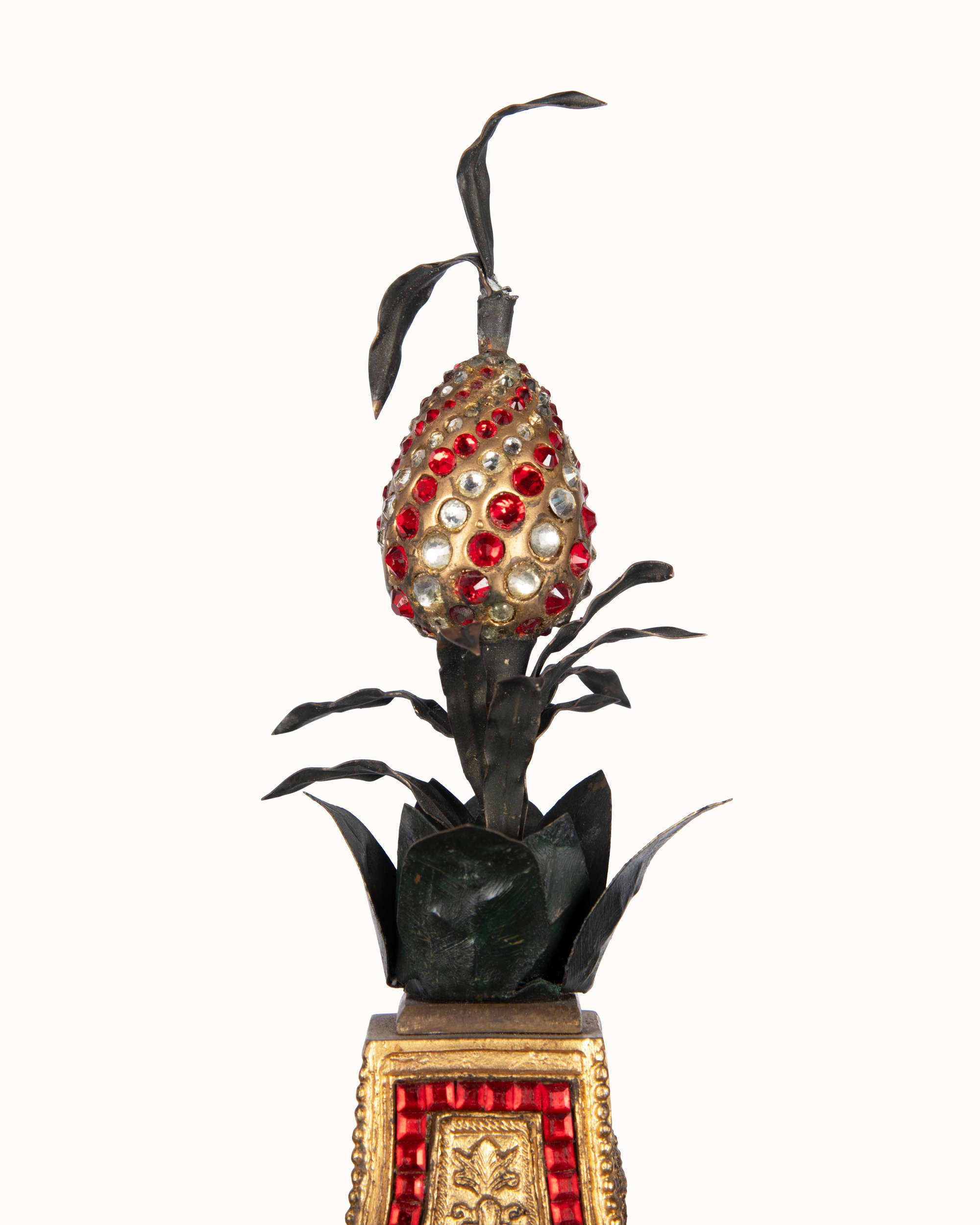
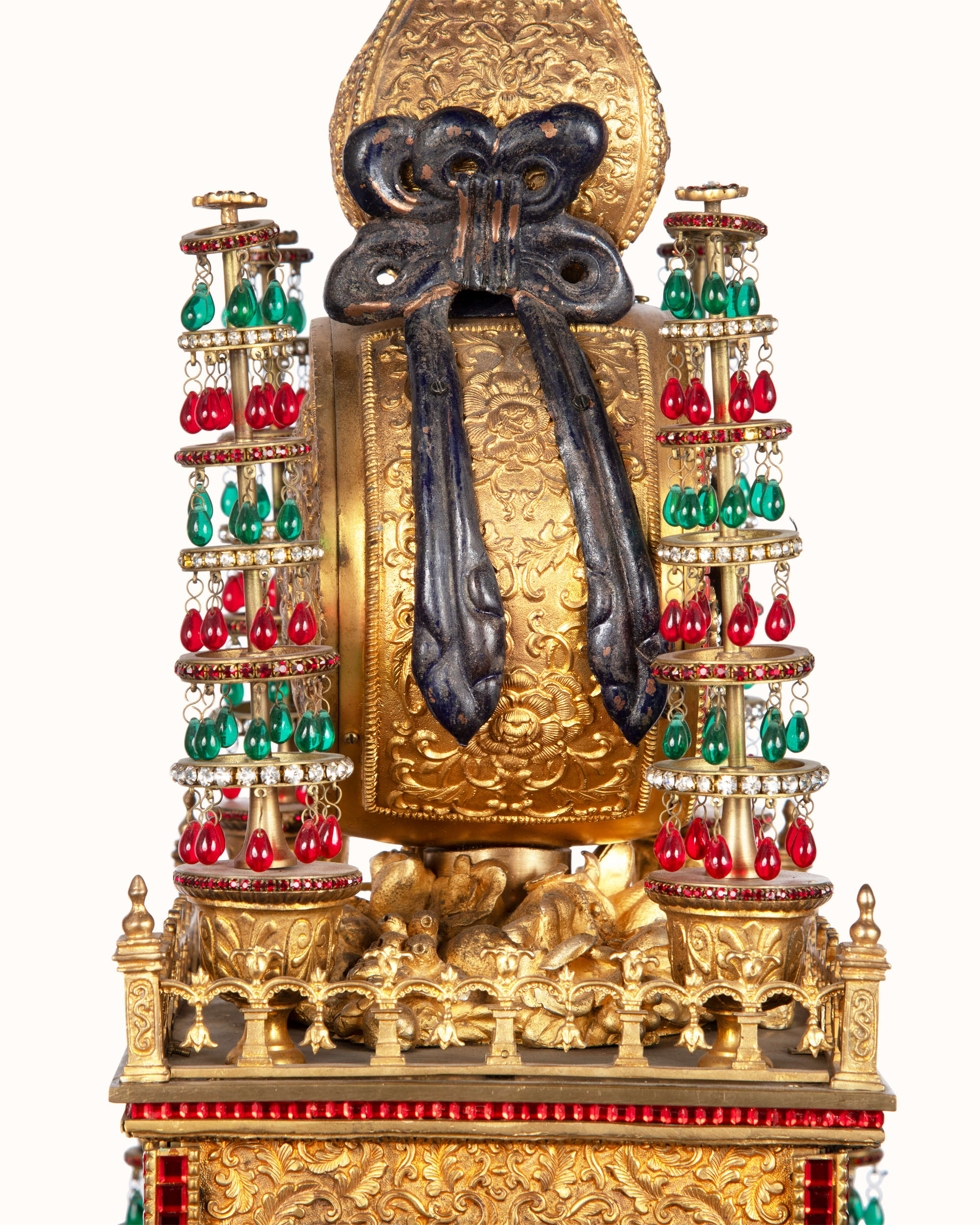
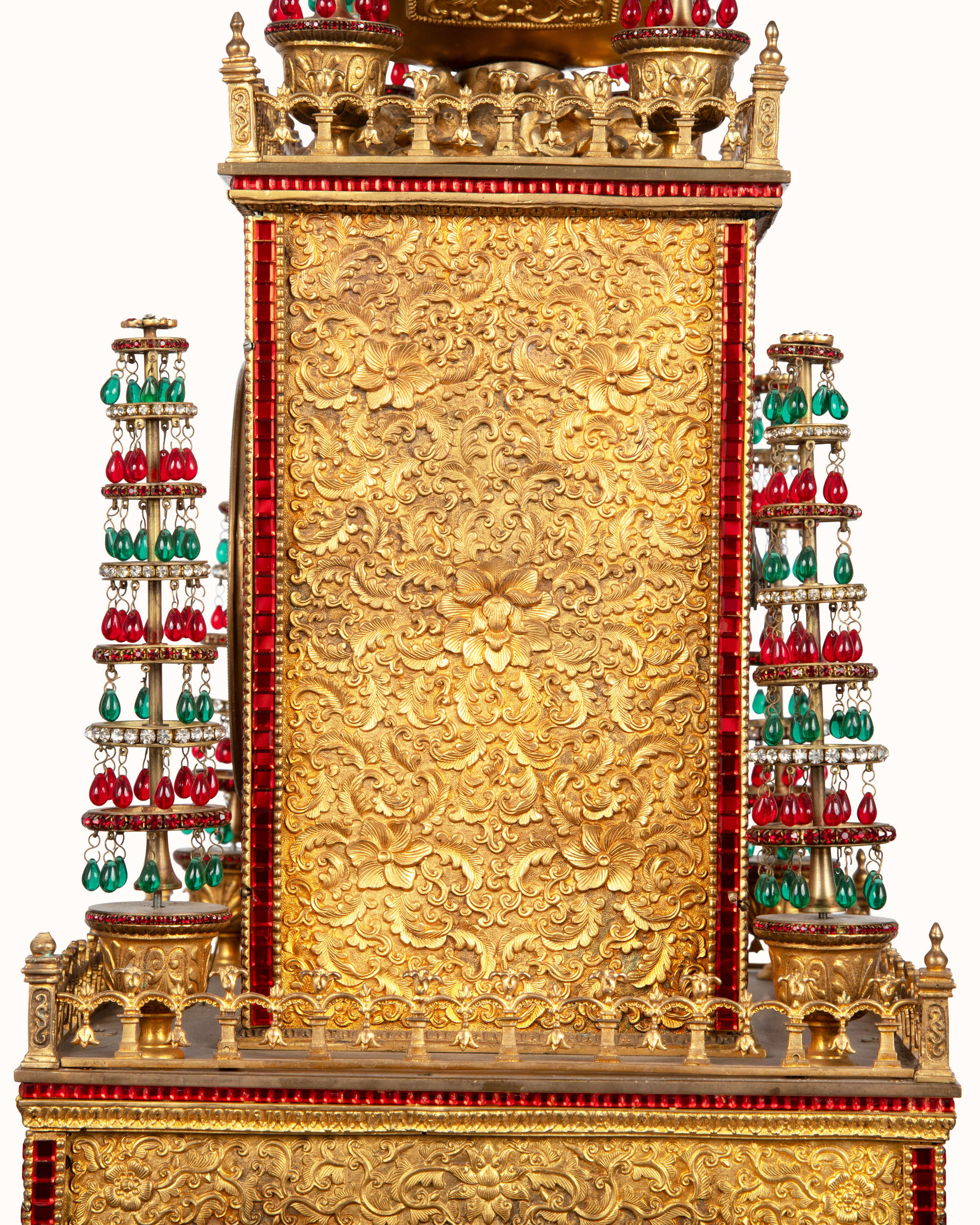
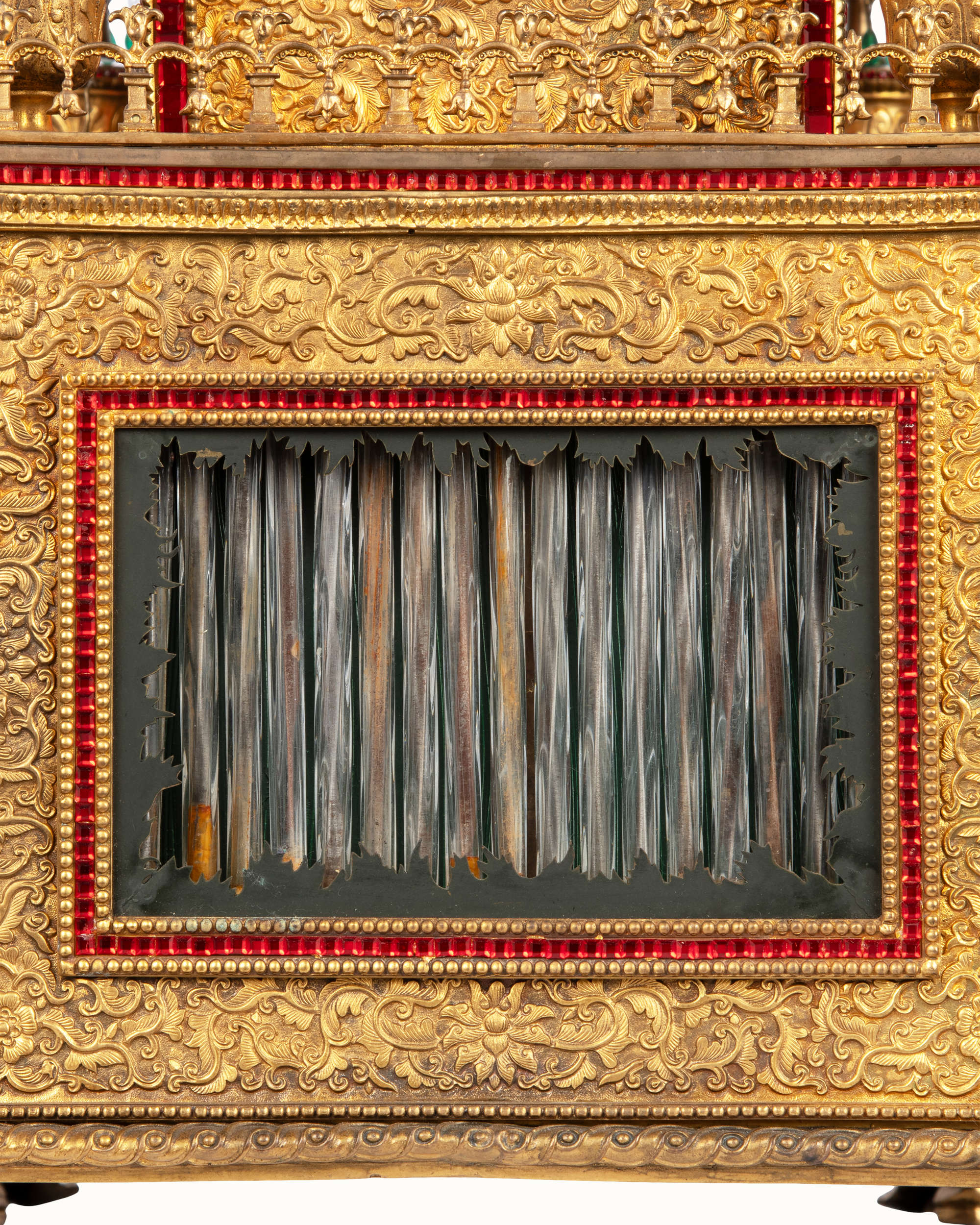
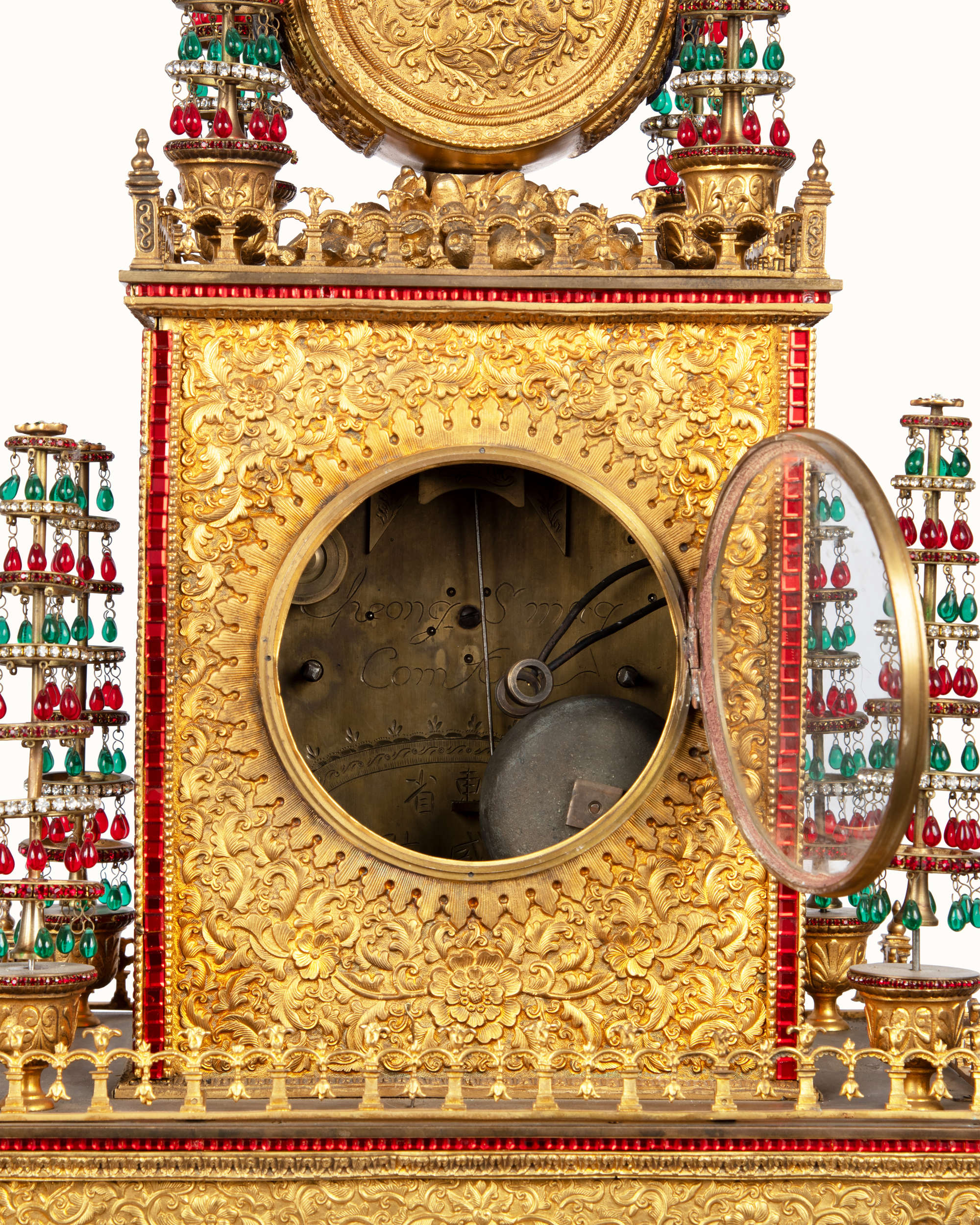
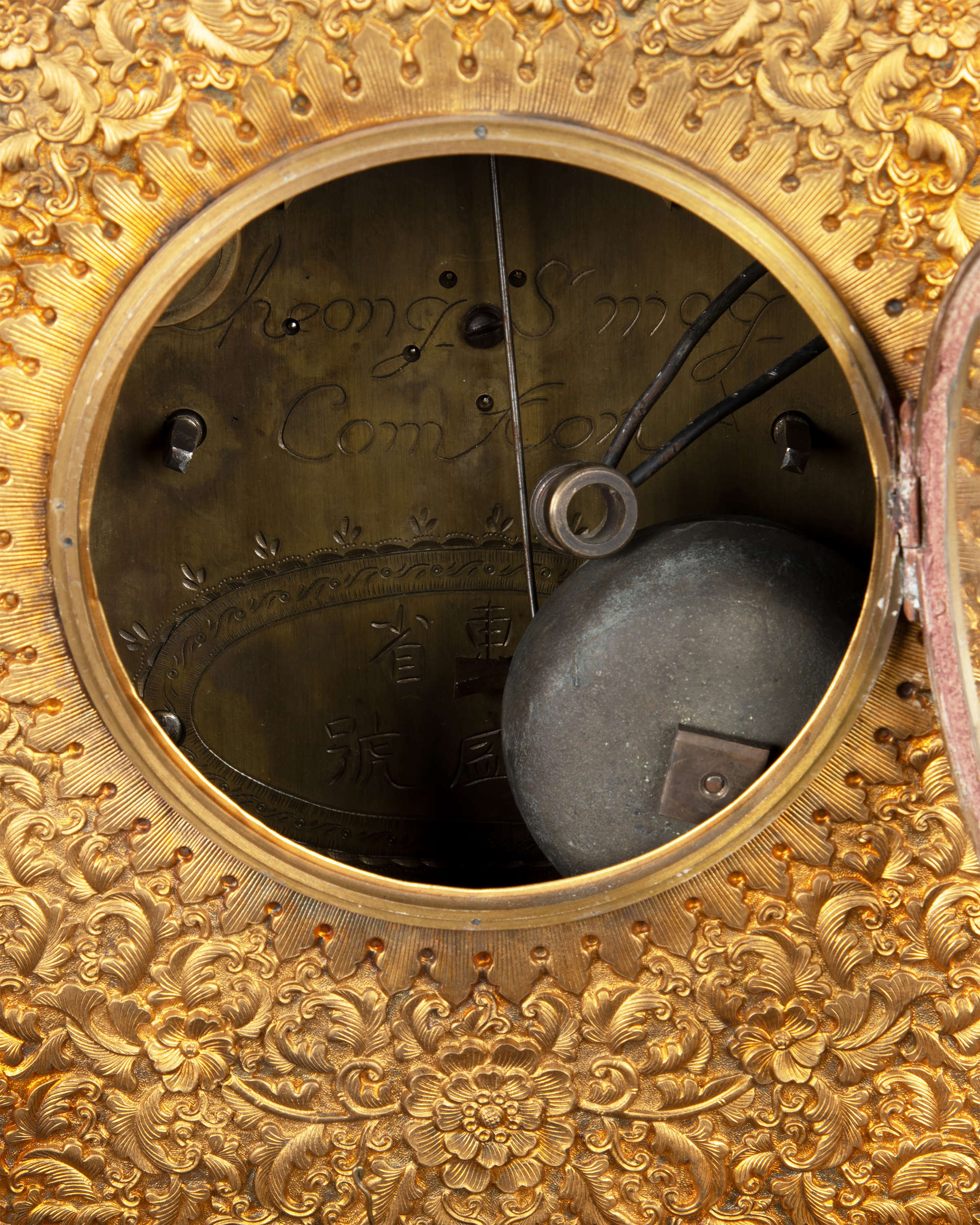
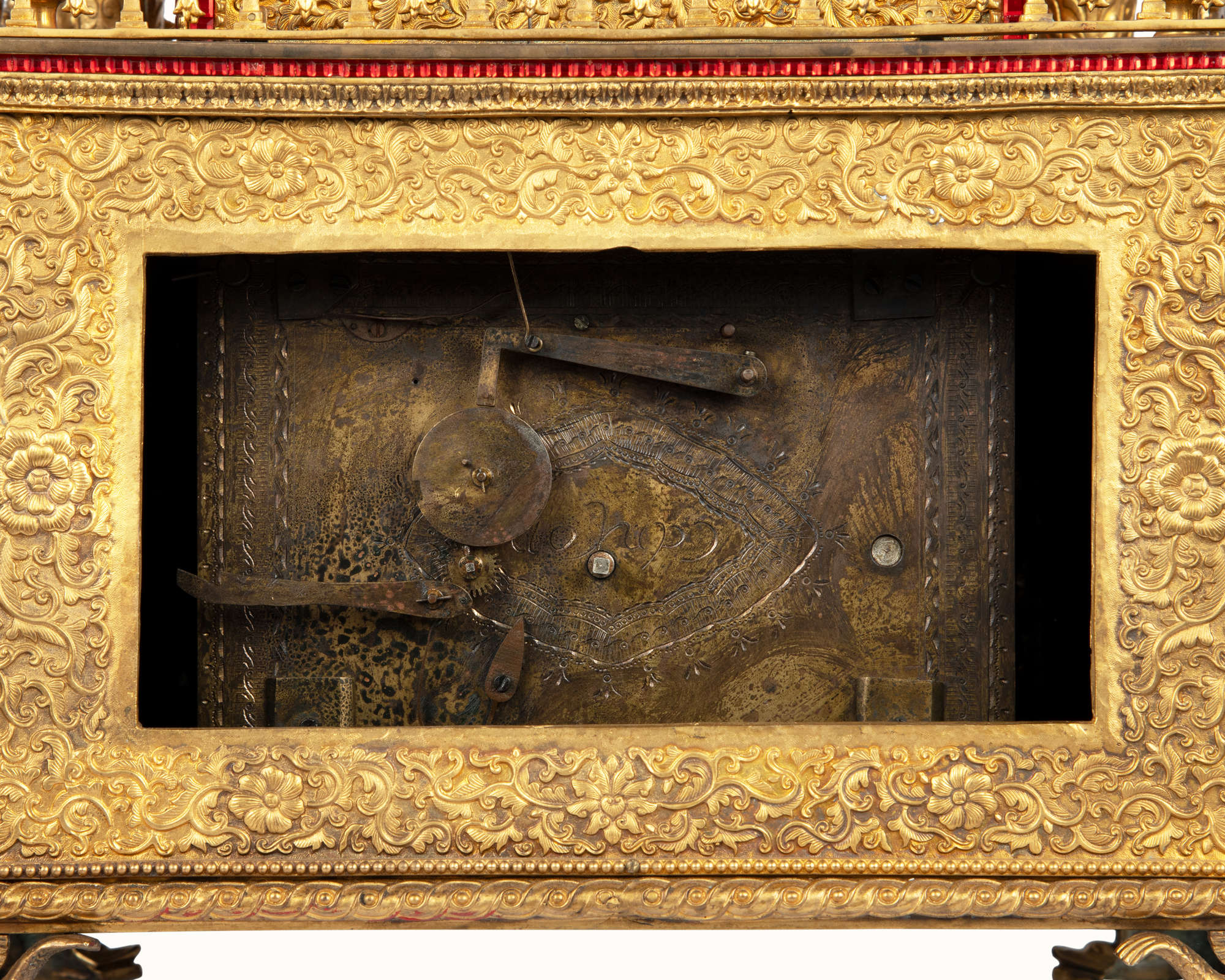
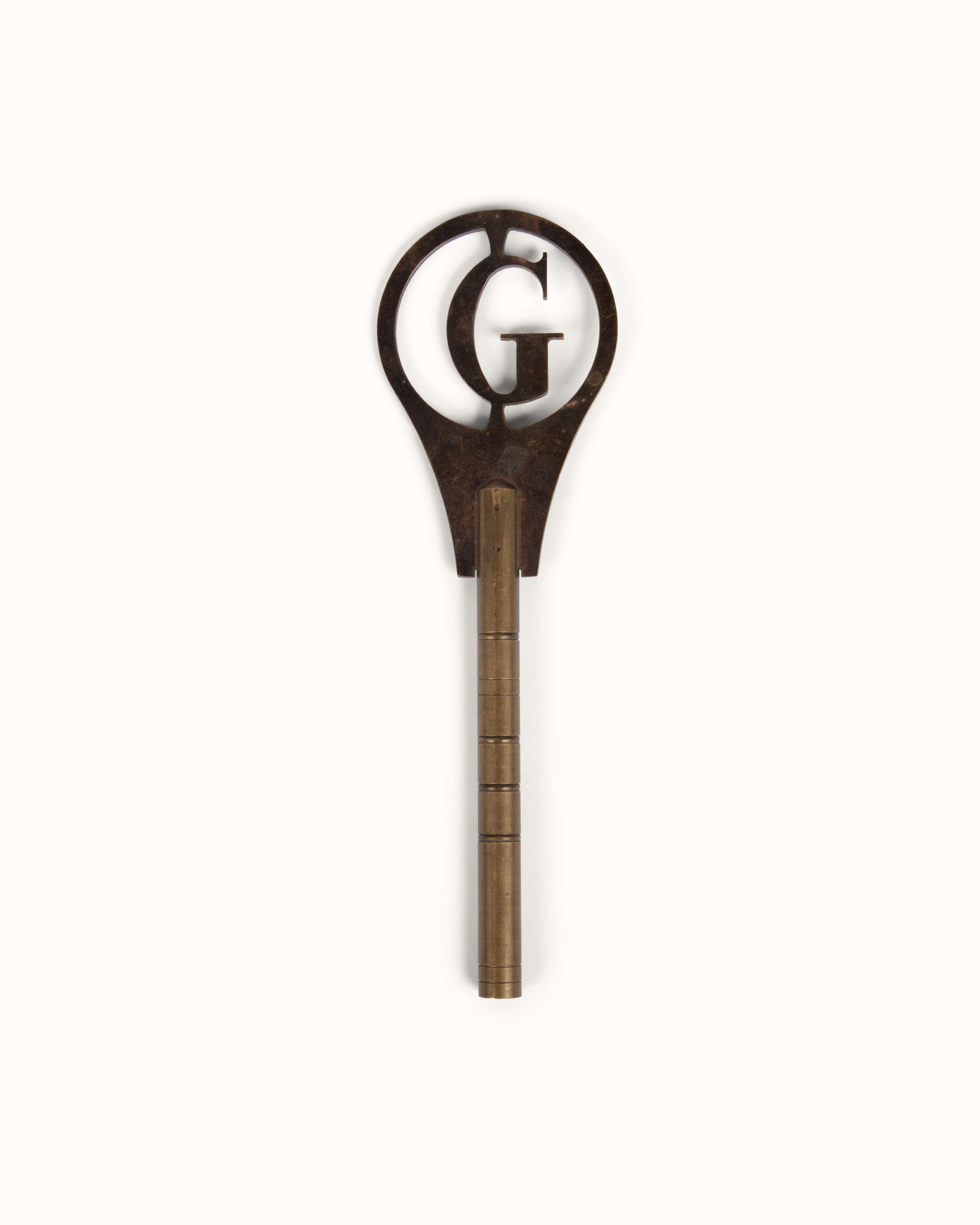
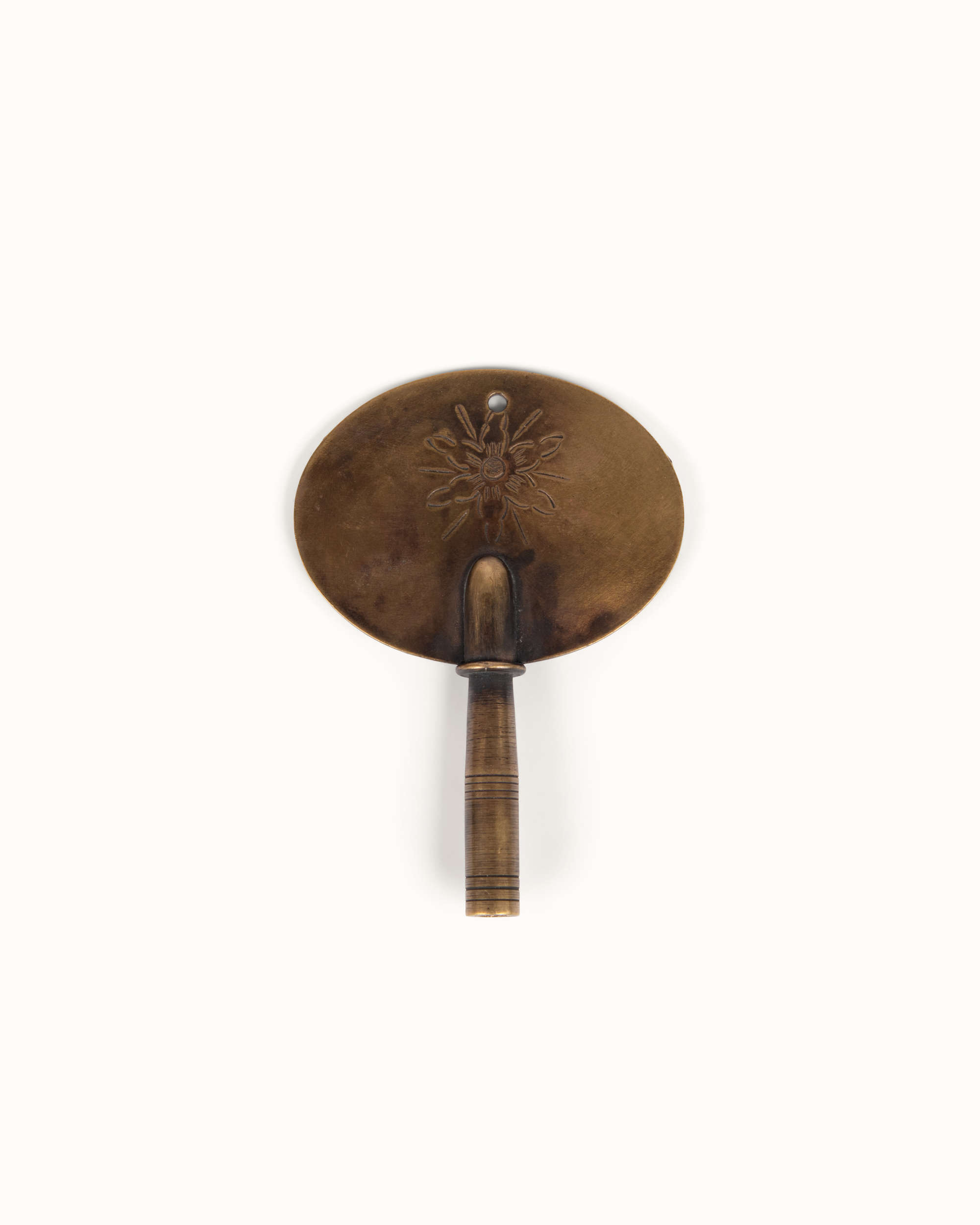
Modelled in three tiers, the central section recessed above a square base, the surfaces finely decorated with repoussé and chased motifs of lush flowers and scrolling foliage housing the clock movement and featuring a white enamel dial with Roman numeral hour and Arabic numerals second dial, the movement chiming the hours and quarter-hours and the base containing a music box and fitted with three windows displaying twisted glass columns that rotate to simulate a waterfall with mirrored back. The case is further decorated with flowering trees in jardinières, rosettes and whirligig motifs. These decorative components rotate when the mechanism is engaged. At the top sits a vase from which extend patinated metal foliage and a pineapple finial—inlaid with red and white glass, which also moves. The front of the vase bears the Chinese characters ’大吉‘ (Da Ji, meaning ’Great Fortune‘). At the back, a door provides access to the mechanism in the central section. Two inscriptions are present: one in English, ‘Cheong Sing Canton’; the other in Chinese: ‘祥盛号’ (‘Xiang Sheng Hao’, the name of the workshop), and ‘广东省’ (Guangdong Province, Canton). Two winding keys are included.
H.88cm - L.34cm -Dep.26cm
Provenance:
Private collection, West Los Angeles.
Acquired in the late 1980s or early 1990s from an antique dealer named Alberto, owner of Villa Medici, formerly located on Melrose Avenue near Crescent Heights, Los Angeles, California.
出处
美国洛杉矶西区私人收藏。约于20世纪80年代末至90年代初购自古董商Alberto,其当时在加州洛杉矶Melrose大道近Crescent Heights一带经营古董店Villa Medici。
NOTE:
This clock exemplifies the distinctive Sino-European aesthetic of Guangzhou-made timepieces. As a key hub for cultural exchange between China and the West, Guangzhou was not only among the earliest regions in China to encounter Western clocks but also emerged as a centre of highly skilled horological craftsmanship during the Qing dynasty. Since the late Ming dynasty, when European missionaries introduced striking clocks to Guangdong, a local clockmaking industry gradually developed. By the Qianlong period, it had grown to considerable scale, becoming a major source of tribute clocks presented to the imperial court.
This gilt-bronze ’Da Ji‘ gourd clock with rotating floral and water motifs is constructed in three tiers. Intricate metalwork carving on the case in a Western style contrasts with the overall shape, which is modeled on the traditional Chinese auspicious symbol of the gourd. The upper front of the gourd is inlaid with red paste characters reading "Da Ji" (Great Fortune), merging Western opulence with Chinese symbolism. Such fusion clocks from Guangzhou not only blend Eastern and Western elements in form and ornamentation, but also often include mechanical details such as engraved Roman letters or Western floral patterns on the movement plates, and in some cases, imported Western movements themselves. Known for their exquisite craftsmanship and hybrid ornamentation, high-end Guangzhou clocks were typically collected by the imperial household or elite officials, and became an integral part of the Qing court’s horological collection.
Western clocks began influencing Chinese court culture in the late 16th century. In 1601, the Italian Jesuit Matteo Ricci presented a ’striking clock‘ and other Western curiosities to the Wanli Emperor, marking the beginning of Western clock collecting in the Chinese imperial court. Throughout the Qing dynasty, successive emperors maintained a strong enthusiasm for clocks. A steady influx of Western and locally crafted high-end timepieces were accepted into the palace, making the imperial court the most concentrated repository of clocks in China.
From the late 17th century to the fall of the Qing in 1911, three major horological centres emerged in China: the imperial workshops in Beijing; the southern coastal region centred around Guangzhou; and the Jiangnan region, including cities such as Nanjing, Suzhou, and Shanghai. Among these, Guangzhou stood out for its role in maritime trade and its unique integration of Chinese and Western techniques. It reached its peak during the Qianlong era, leaving an indelible mark on the history of Chinese clockmaking.
此钟的造型与装饰展现出广州钟表融合中西风格的典型特征。作为中西文化交流的前沿,广州不仅是中国最早接触西洋钟表的地区,也是清代钟表制造技艺最为发达的重镇。自明末欧洲传教士携自鸣钟入粤以来,广州逐渐发展出本地钟表制造业,至乾隆时期已具相当规模,成为向清宫进贡钟表的重要产地。
此件铜鎏金转花转水法大吉葫芦钟整体分三层结构,上部葫芦腹部设有可转动的花饰,底衬板及葫芦中带饰采用透明珐琅工艺,钟盘边缘、四角料石花、大吉葫芦边框及顶部菠萝花则运用仿宝石镶嵌工艺,尽显华美精致。钟体四周采用精细繁复的金属雕刻,呈现出浓厚的西洋风格,而整体构型又以传统中国吉祥物“葫芦”为造型,葫芦上半部正面嵌有红色仿宝石“大吉”字样,具有鲜明的东方吉祥寓意。
这类中西合璧的钟表不仅在外观上融合了西方与东方设计与工艺,而且在机芯细节中也往往仿刻西文字母、洋花饰纹,形成精致细腻、技艺高超、风格独特的“广钟”特色。广州制造的高档钟表大多为宫廷或达官贵人所收藏,成为皇家御用钟表的重要组成部分。
西洋钟表自16世纪末传入中国以来,对中国皇家文化产生了深远影响。万历二十八年(1601年),意大利传教士利玛窦向万历皇帝献上“自鸣钟大”等贡品,开启了中国宫廷收藏西洋钟表的序幕。清代以来,皇帝对钟表的热情持续不减,大量西洋钟和中国制造的高档钟表源源不断地进入皇宫,使得宫廷成为钟表最集中的收藏地。
从17世纪末至1911年清朝止,三百余年间,中国逐渐形成以北京(代表为宫廷造办处)、广州、以及江南地区(南京、苏州、上海等)三大钟表制造中心。其中广州依托其对外贸易优势与中西技艺汇聚,所制钟表尤具中西融合特色,在乾隆时期达到高峰,成为清代钟表制造史上不可忽视的重要篇章。
All bids are placed in Euros (€)
Please note that by submitting a bid you are agreeing to our Terms & Conditions


 Have a similar item to sell?
Make Enquiry
Have a similar item to sell?
Make Enquiry