David Clarke was born into a family of artists. His father was Harry Clarke, the renowned stained glass artist and book illustrator, and his mother was the painter Margaret Clarke, best known for her portraiture. The Harry Clarke Studios were in North Frederick Street, just around the corner from Belvedere College, where three generations of Clarkes were educated – Harry, David and David’s son Rory. The Clarke family lived on North Circular Road near the Phoenix Park, David’s beloved refug
e and university of nature, where he spent much of his childhood and where he continued to take a walk almost every day.
On leaving Belvedere, David attended the National College of Art and Design and also studied privately under Mainie Jellett, who admired his instinct for colour and directed him towards the avant-garde painters of the time. As a young man David was restless to experience other cultures but was prevented by World War II. As soon as it was over he left Ireland and spent the next ten years painting in England, France, Spain and the United States, sometimes working as a set designer for film or theatre companies to fund his own painting. In 1955 he married a Texan and returned to Dublin. To support a growing family David worked in the Harry Clarke Studios as artist and director while still continuing to paint and exhibit his work in Dublin.
In 1973 David and his family left Ireland on the closure of the Harry Clarke Studios. They spent some years in Texas and New Mexico but the call of Ireland and European culture was too much for David. In the late seventies he returned to Dublin and lived and worked in Castleknock until his death.
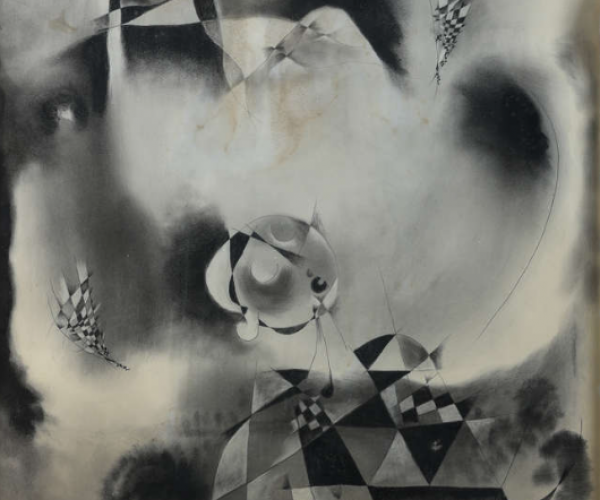
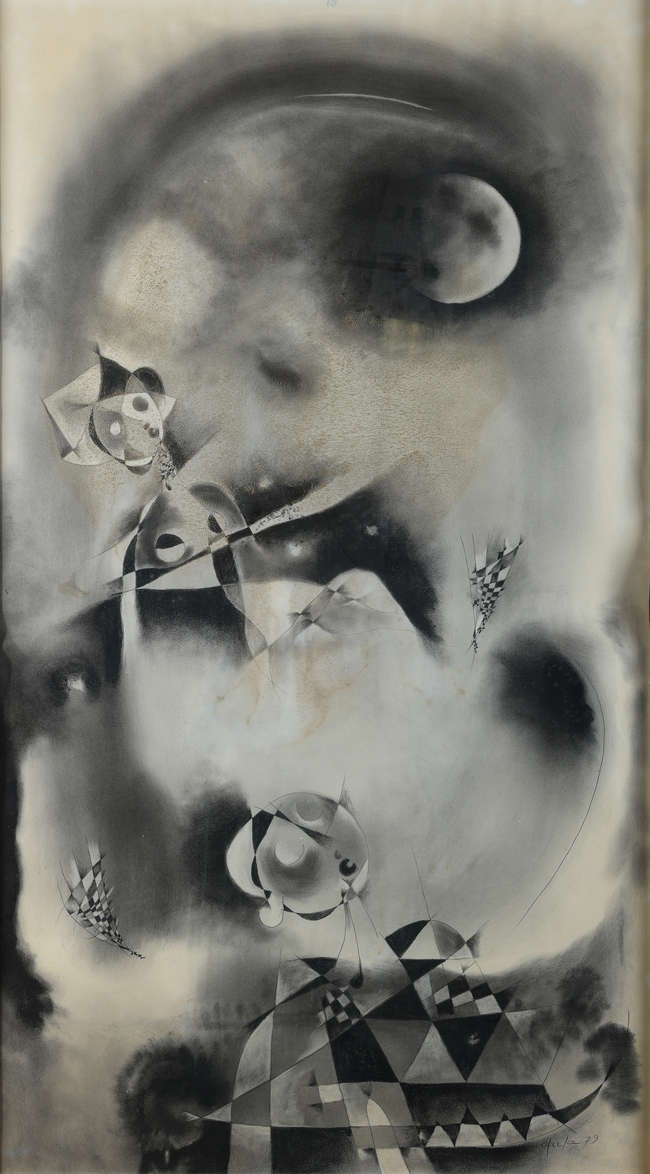
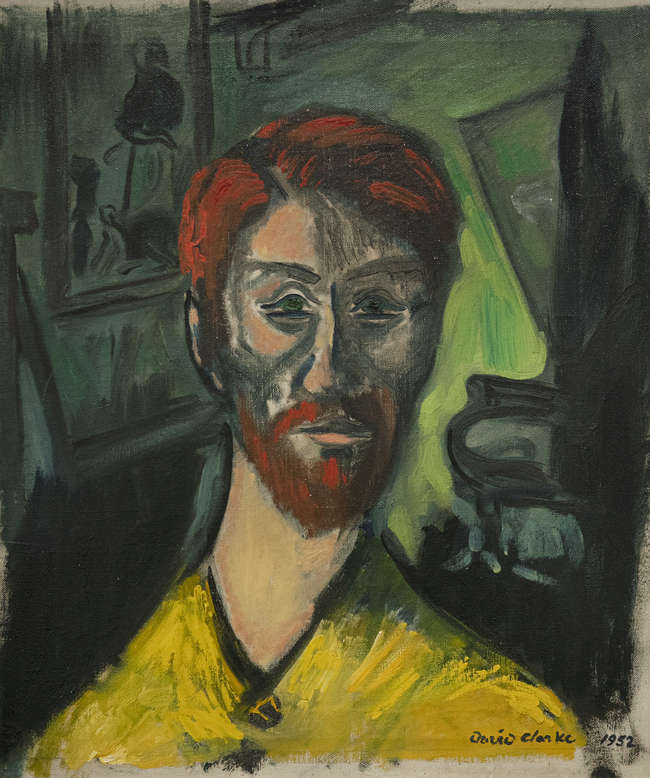
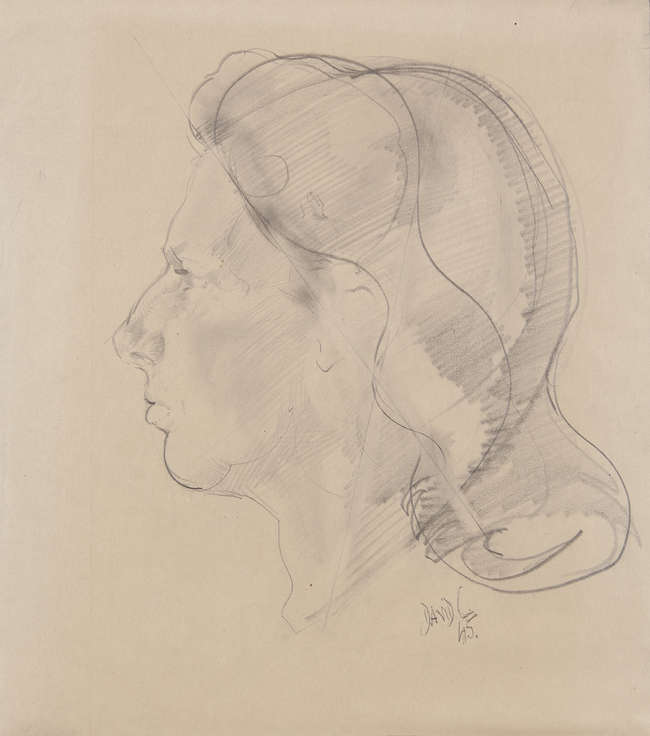
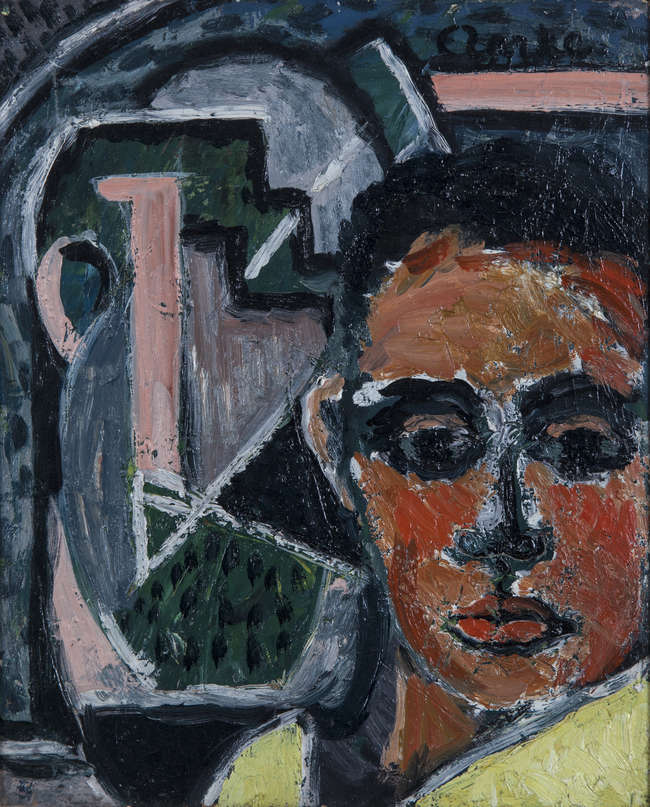
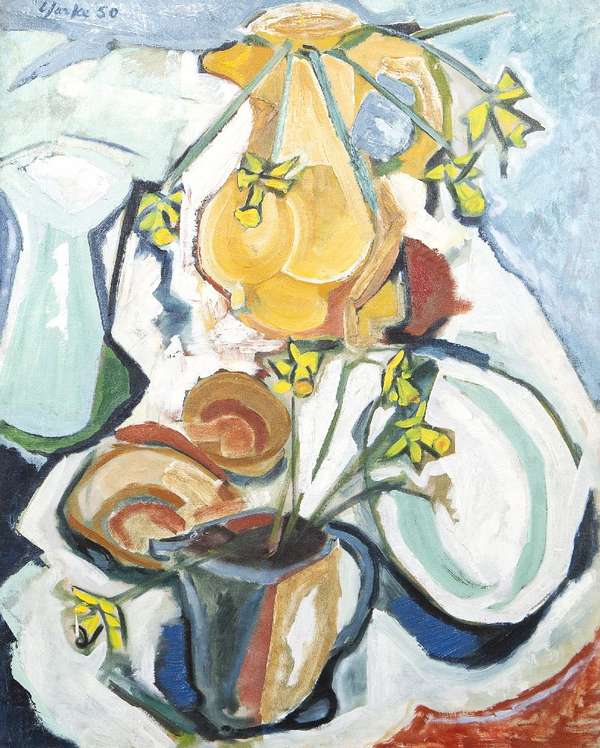
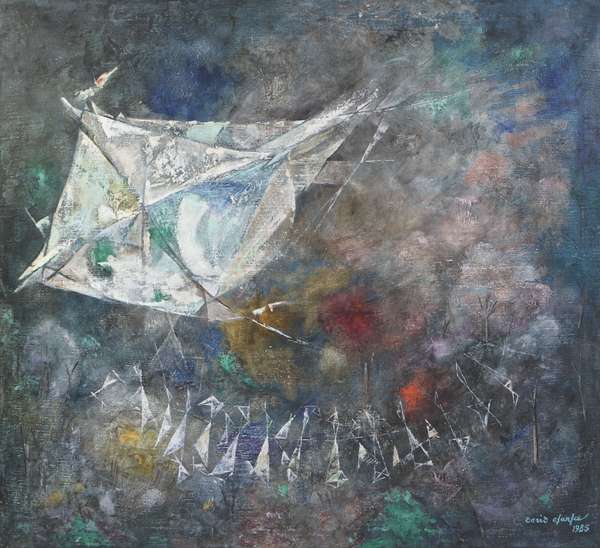
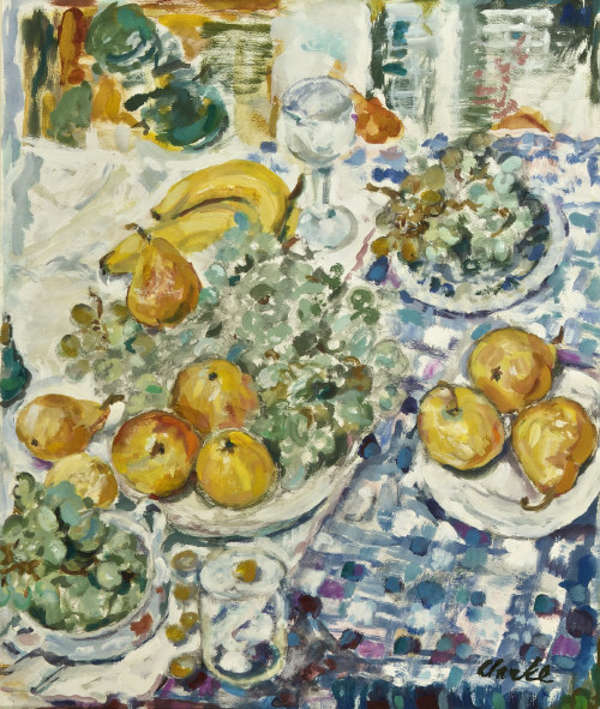
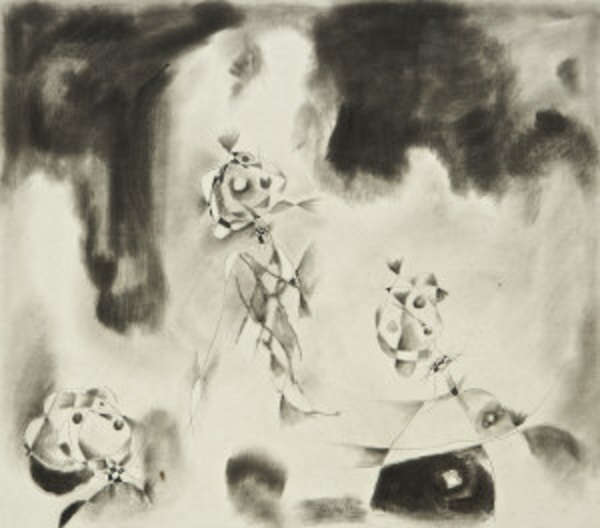
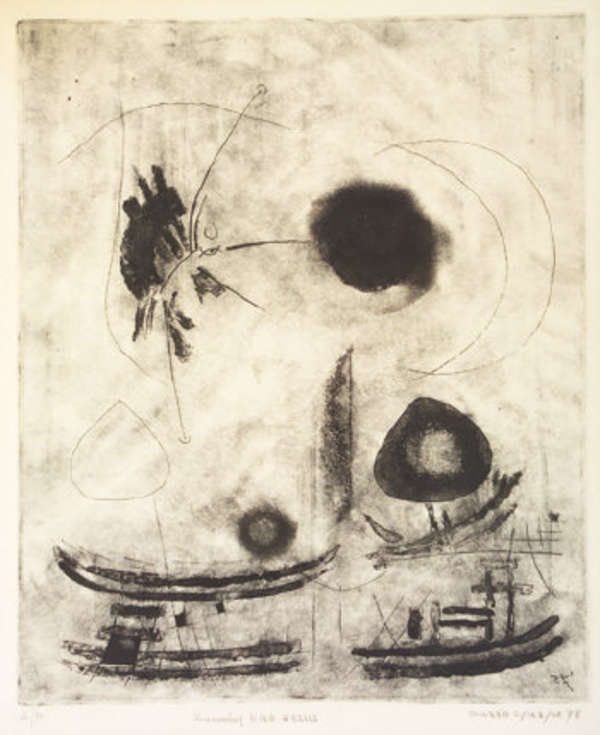
Although David was a very fine draughtsman, he was primarily a superb colourist, inducing peace or excitement through cool or glowing colours. There is a subtle influence of stained glass on his painting, giving it what S. B. Kennedy called, “a pristine, at times luminous clarity”. He generally painted in series, exploring his preoccupations and passions to the full. In the sixties his work often reflected a quizzical concern with the tragic-comedy of the human predicament; but in more recent years his series tended to focus on things which are in themselves lovely, fascinating and never still, such as kites, rock pools and Criuinniu na mBad – the annual gathering of Galway hookers at Kinvara.
David has worked in virtually every medium and many styles but running through all his work is a vibrant constructive tension, the essence of creativity.
Read more